Essential equestrian training gear and equipment guide
Equipment categories and core gear
In South Africa’s riding rings, the right horse riding training equipment shapes rhythm, trust, and the horse’s willingness to work. As a seasoned coach says, “The gear is the first lesson—well fitted, it earns you trust.” Preparation precedes performance, and the tack does the talking.
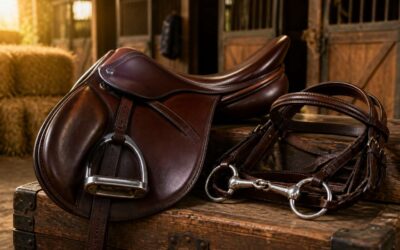
I’ve seen novices transform the moment the gear fits; progress becomes a conversation between rider, horse, and tack. Essential equestrian training gear falls into protective apparel, tack and equipment, training aids, and maintenance tools. Core gear includes a helmet, boots, gloves, a saddle with girth and pad. For progression, add a lunge line, cavesson, and side reins. All of this constitutes dependable horse riding training equipment for South African riders.
- Helmet
- Saddle and girth
- Riding boots
- Gloves
With these essentials, the routine stays disciplined, engaging, and unmistakably South African in character.
Training aids and conditioning tools
“The right training tools translate effort into rhythm.” In South Africa’s riding rings, horse riding training equipment becomes more than tack—it forges a quiet conversation between horse and rider, guiding effort into balanced response and trust. When the right aids are chosen with purpose, movement becomes clearer, safer, and more expressive.
Training aids and conditioning tools illuminate the path from instinct to technique. Ground poles, cavaletti, and gymnastic grids shape cadence, balance, and the horse’s willingness to stretch; they frame sessions that build fitness without overload. A thoughtful approach couples these aids with consistent routines, turning each ride into a deliberate, measurable step forward.
- Ground poles arranged for rhythm and tempo
- Cavaletti and small rails to encourage lift and hindquarter engagement
- Gymnastic grids to promote straightness, suppleness, and confidence under saddle
Safety, maintenance, and care
In South Africa’s riding rings, a well-kept kit speaks louder than a loud bridle. Safety, maintenance, and care for horse riding training equipment are not afterthoughts—they’re the backbone of every ride. Regular checks on helmets, saddles, and pads prevent small issues from becoming emergencies. “Safety is the first saddle”—a reminder that preparation before the session protects both horse and rider, in sun-scorched arenas or shaded paddocks alike.
Maintenance is practical, not performative. A simple routine keeps gear reliable and ready for use.
- Inspect stitching, billets, and buckles before each ride.
- Clean leather with mild saddle soap; condition periodically and store away from direct sun.
- Keep hardware dry to prevent rust; check metal fittings for wear and replace as needed.
This approach protects investment and health of horse and rider.
Buyer’s guide and product selection
Across South Africa’s arenas, 72% of riders say proper fit matters more than brand, and that spark of alignment can transform a session. The right gear becomes a quiet compass on every ride, guiding balance, rhythm, and breath with grace. The appeal of horse riding training equipment lies not in flash but in the story it helps you write with your horse—calm, confident, and ready for whatever the veld throws at you.
Our buyer’s guide peers into fit, materials, and service—the practical magic behind a lasting purchase. Consider how a saddle or bridle sits in the hand, how leather or synthetics breathe in hot sun, and whether the warranty travels with you to remote stables. Here are guiding thoughts to steer your selections, from beginner to seasoned rider.
- Fit and ergonomics for horse and rider
- Durable materials and reliable hardware
- Local warranty and after-sales service



0 Comments