Horse Riding Gear Terminology Overview
Essential riding gear terms
Across SA trails, two in five riders admit gear confusion costs time at the mounting block. Mastering horse riding equipment terms is like upgrading your tack with a secret handshake—suddenly a simple ride feels efficient, safe, and a touch less theatrical!
Here are core elements you’ll meet on the yard floor and in the feed shop:
- saddle and stirrup leather
- bridle and bit
- girth or cinch
- reins
- saddle pad and leg protection
When the terms click, you’re ready to discuss fit, safety, and performance—without turning gear talk into a soap opera. The language of horse riding equipment terms keeps everyone on the same page, from stable hand to riding coach, and helps you choose gear that truly suits your horse and riding style.
Saddle components terminology
Across SA trails, two in five riders admit gear confusion costs time at the mounting block. Saddle components terminology may sound dry, but it underpins safe, efficient rides. When the language for saddle parts clicks, conversations with coaches and saddlers stay crisp and practical!
Focus on core saddle components:
- saddle tree
- panels
- cantle
- pommel
- billets
- stirrup bars
- girth straps
Understanding these terms sits within the broader context of horse riding equipment terms and helps you speak clearly about fit, comfort, and performance without drama.
Bridle parts and bit vocabulary
Across SA trails, two in five riders admit gear confusion costs time at the mounting block. Bridle talk doesn’t have to feel like gobbledygook; a clean vocabulary makes mounting smoother and rides safer.
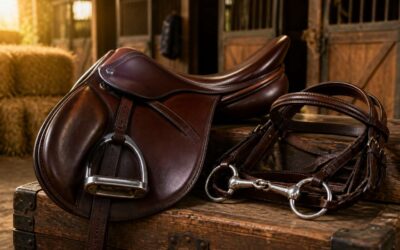
In plain terms, a bridle is the horse’s communication line with you. The bit sits in the horse’s mouth; cheekpieces guide the bit; the noseband, browband, crownpiece, and throatlatch keep everything aligned.
Here are the bridle parts you’ll hear in lessons:
- bit
- mouthpiece
- cheekpieces
- noseband
- browband
- crownpiece
- throatlatch
- reins
Mastering these terms helps you discuss fit, comfort, and performance without drama. In the world of horse riding equipment terms, clarity is a real edge.
Girth, cinch and leg strap terms
South Africa’s trail riders know timing is everything—40% admit gear confusion costs precious seconds at the mounting block. When the tack box becomes a riddle, I know that feeling—even a calm horse rolls its eyes. Enter horse riding equipment terms, the passport to smoother mounting.
The girth and cinch do the same job—secure the saddle against the horse’s barrel—but their names betray saddle style. The girth is the English term; the cinch is the Western cousin. Leg straps, when present, help stabilise a saddle on a fidgety youngster or a trail-ridden mount. Materials range from sturdy leather to breathable synthetics, yet the aim remains a balanced, nonrestrictive fit.
- Girth
- Cinch
- Leg straps
And turning to the discipline’s daily chatter, these terms are the shorthand that avoids arena slapstick. And yes, you’ll glide into the mounting block with the confidence of someone who speaks the language of saddles.
Saddle, Bridle and Tack Vocabulary
Saddle components and naming
Across South Africa, riders report a 30% jump in harmony when tack fits perfectly. The real magic lies in horse riding equipment terms that translate subtle feel into clear communication between rider and horse.
Saddle vocabulary centers on naming the backbone of the seat: how design and fit influence balance, motion, and comfort. It’s less about flash and more about alignment, leg position, and contact.
- Structural elements that shape fit and balance
- Adjustment points that secure the seat and keep rider position steady
- Leather handling and finish terms that affect longevity
Bridle and tack vocabulary follows suit, with categories for headgear, reins, and fittings. Understanding these terms streamlines adjustments, maintenance, and on-horse communication, turning cues into consistent responses rather than guesswork.
In this way, the phrase horse riding equipment terms becomes practical, almost supernatural, guiding professionals across South Africa as gear performs its quiet, vigilant watch.
Bridle parts and bit terminology
Across South Africa, riders report a 30% jump in harmony when tack fits perfectly, a statistic that feels almost supernatural. I hear the quiet hum of leather as the horse answers with balance and trust, a midnight dialogue where every seam becomes a cue.
Bridle vocabulary mirrors that murmur: headstall, cheekpieces, noseband, and throatlatch—and the bit, from snaffle to curb, decides the music between rein and mouth. These horse riding equipment terms let us translate a feeling into precise adjustments and consistent signals, turning fleeting cues into reliable responses.
Bridle components in focus, extending into bit terminology:
- Headstall
- Cheekpieces
- Noseband
- Throatlatch
- Bit mouthpiece (snaffle, curb, pelham)
- Reins
Girths, cinches and girth terminology
Across SA, riders report a 42% smoother ride when the girth sits snug but never suffocating—the quiet engine that keeps a saddle honest. In the realm of horse riding equipment terms, the girth, cinch, and related straps form the smallest orchestra that drives big responses from a responsive mount.
Girth vs cinch: the girth runs under the barrel and buckles toward the billets; the cinch is the Western analogue, often latigo-fed, broader in feel, and built to ride out long days in the saddle. Material matters: leather ages gracefully, neoprene cushions, nylon stays taut. Elastic inserts let the saddle breathe while you ride, without letting go of security.
- Girth: the main strap around the horse’s belly, often with a buckle or roller-buckle system
- Cinch: western-style or endurance version, usually using latigo straps and a longer reach
- Elastic inserts and billet straps: add give without sacrificing grip
Speak this language well and the horse returns a calm tempo—a midnight dialogue between horse and rider!
Stirrups, leathers and stirrup hardware
The horse speaks in tempo; the rider answers in balance. In SA, a recent nod to practical wisdom shows 65% of riders feel steadier tempo when stirrup length mirrors leg length—a quiet physics behind horse riding equipment terms.
Stirrups form the hinge between foot and saddle, and their balance is more art than accident. Irons come in aluminum or steel, with wide or narrow treads. Leathers ride alongside, offering lift and give; buckles and keepers hold firm through heat, sweat, and long SA trails.
- stirrup irons
- stirrup leathers
- stirrup buckles
- stirrup keepers
Within the broader tapestry of horse riding equipment terms, this vocabulary reads like a compact philosophy: fit, balance, and fidelity align so the horse returns a calm tempo.
Riding Apparel and Protective Equipment Terms
Riding boots and footwear terminology
In the world of horse riding equipment terms, the right boots do more than finish a look — they stabilize the ankle and steady the seat on South Africa’s trails and rings. A seasoned rider notes, “boots are the bridge between leg and horse,” a quiet guarantee of control.
Common riding boot styles offer versatility for every ride.
- Paddock boots — ankle-high, flexible.
- Field boots — tall, snug.
- Dress boots — sleek profile.
- Half chaps — leg coverage with paddock boots.
Leather and synthetic options offer durability for daily work and comfort that supports a steady seat. The right pair aligns with the rider’s stride, delivering secure footing with a grippy sole and a comfortable heel.
Helmets, caps and safety gear vocabulary
In the world of horse riding equipment terms, helmets aren’t mere accessories—they are the first line of defense on South Africa’s trails and rings. A veteran rider often notes, “Safety begins on the head,” and that mindset shapes every ride. A proper helmet is certified and sits snug with a secure chin strap; it should be comfortable and ventilated for long days in the saddle.
Caps and other safety gear fill the vocabulary of rider protection. Riding caps are lighter options for training or casual rides, while helmets stay hard-shell for full protection. Body protectors and air vests add torso protection without limiting movement. Fit, visibility, and durability matter in equal measure on SA riding routes.
- Helmet: certified protective headgear meeting safety standards
- Riding cap: lightweight headwear for training or casual rides
- Body protector: torso protection that moves with the rider
- Air vest: inflatable or foam back protection for added safety
Breeches and jodhpurs terminology
In SA riding circles, 7 in 10 riders say comfort starts with the fit, and that principle lives in the breeches and jodhpurs you reach for after a long day. Within horse riding equipment terms, these garments blend function with everyday resilience, wicking moisture and minimizing chafing as you ride across sun-warmed plains or in shaded arenas. Breeches sit at the waist and finish just above the ankle; jodhpurs extend over the calf for warmth and protection, a quiet nod to tradition and practicality.
Fabric, stretch, and grip matter as much as color. The vocabulary to know includes features that keep you secure in the saddle without hindering movement.
- Full-seat breeches
- Knee patches
- Silicone grip or suede patches
- Leather knee patches
- Classic rise vs low-rise options
Choose with care, and you’ll feel the conversation between rider and horse become a shared rhythm, a language spoken through fabric, fit, and faith in every stride.
Gloves, outerwear and visibility gear terms
Nearly 70% of riders say comfort starts with the glove, and in SA arenas that choice shapes every ride. In horse riding equipment terms, gloves, outerwear, and visibility gear blend function with everyday resilience, standing up to sun, dust, and wind as you ride from sunlit plains to shadowed arenas.
Gloves are more than grip—they’re a language of feedback. They should fit snugly, allow precise finger movement, and resist wear on long rides.
- Silicone grip patches for secure reins
- Touchscreen-friendly fingertips
- Reinforced stitching for durability
Outerwear choices focus on breathability and weather protection: softshells, lightweight rain shells, and layered vests that don’t bulk the rein-hand. For visibility, high-visibility vests, reflective piping, and clip-on lights keep you seen in dusk light.
Care, Maintenance and Replacement Terminology
Leather care: cleaning and conditioning terms
Leather remembers every ride, and care is the secret to keeping its memory soft. A seasoned stablehand says, “Leather speaks when you listen.” Careful upkeep extends life and charm.
Leather care follows tried-and-true terms:
- Clean with saddle soap to lift grime without soaking the leather
- Wipe away moisture and apply a neutral leather conditioner for suppleness
- If dry, rub in a small amount of neatsfoot oil or a beeswax-based balm
- Dry naturally away from direct heat and store in a cool, ventilated space
Replacement terminology comes into play when signs appear: cracking, severe stiffness, stitching separation, or mildew signal the end of usable life. Recognize that proper maintenance never substitutes for replacement when the leather has lost its resilience.
In the glossary of horse riding equipment terms, leather care is the quiet backbone that keeps gear ready for the next ride.
Tack maintenance schedules and terms
Maintenance is the unsung heartbeat of tack in South Africa’s riding halls. In the language of horse riding equipment terms, care, maintenance, and replacement signal respect for both animal and sport. A well-kept bridle and saddle stay reliable ride after ride, season after season.
Within this vocabulary, care timing, maintenance cadence, and replacement thresholds anchor discussions about gear. The following terms shape tacktalk:
- Pre-ride check: a mental catalog of fittings, wear, and alignment before any session.
- Post-ride care: a light wipe, drying, and storage discipline to preserve materials between rides.
- Replacement threshold: the point at which longevity and safety demand retirement of a component.
Using this language keeps the stable’s conversations precise and the gear dependable for every ride. In short, these horse riding equipment terms translate care into reliability.
Wear indicators and replacement vocabulary
Forty percent of tack breakdowns in South Africa’s riding halls begin with wear that goes unseen until it fails. In the language of horse riding equipment terms, care cadence, maintenance cadence, and replacement thresholds frame every conversation about safety and performance. A well-tuned kit—bridle, saddle, girth—speaks the same truth: vigilance keeps your ride reliable.
Wear indicators are not guesses but signals riding within the pre-ride check. The moment they appear, the gear earns a quiet note in the tacktalk ledger. Here are common wear indicators to flag early:
- Cracked leather surfaces
- Frayed stitching or webbing
- Brittle, stretched, or warped straps
- Rust or corrosion on buckles and rivets
Replacement vocabulary follows the same rhythm. When wear marks cross a replacement threshold, retirement becomes prudent—no heroics, just safety. Post-ride notes and proactive replacements keep bindings supple and riders confident, even when the arena lights flicker with a hint of superstition.
Storage and organization terminology for tack
Storage is care in disguise, and in South Africa’s busy arenas it’s the quiet backbone of safety. The right setup reduces last-minute squeaks and rust before the horse meets the arena. In horse riding equipment terms, storage and organization are part of the care cadence—where gear rests, breathes, and stays ready for the next session without drama.
Consider a system that mirrors your tack’s rhythm:
- Racks and hooks positioned for quick access
- Labelled bins for bridles, saddles, bits and ancillary gear
- Moisture control with desiccants and airflow management
- Visible date-tags to track conditioning and service windows
That cadence keeps the mind calm when the arena lights flicker and superstition hums in the corners. A disciplined approach to storage and organization supports ongoing care, maintenance, and replacement planning—without shouting about it.



0 Comments