Starting With Safety: Head and Body Protection
Every ride begins with a single decision: protect your skull and spine. In South Africa, equestrian accidents are a leading cause of head injuries. Your helmet must fit snugly, harness secured, and carry a SABS or PAS015 mark.
For your body, a safety vest absorbs impacts from falls and hoof strikes. It should cover your ribs without restricting movement. Many beginners overlook this until their first close call.
- Approved helmet with chin strap
- Body protector with adjustable side panels
- Gloves for grip and palm abrasion
That is your core shield. Pair it with the horse riding equipment list for beginners to ensure nothing slips through. Without these, confidence is just a gamble.
Footwear and Legwear for the Saddle
Your feet are the fulcrum of every aid you give. Without the right boots, your lower leg will wobble, and your horse will feel every uncertain shift. For a beginner, this matters more than any fancy saddle.
Start with a sturdy paddock boot or a jodhpur boot. They have a small heel, which stops your foot from sliding through the stirrup. That heel is non negotiable. Add half chaps to protect your calves from rubs. In South Africa, the sun can be brutal, so choose breathable materials.
- Paddock boots with a defined heel
- Half chaps or full chaps for leg protection
- Riding socks that rise above the calf
These items form the foundation of your horse riding equipment list for beginners. Your leg is a communication tool. Keep it secure, and your horse will thank you.
Core Tack: Saddles, Bridles, and Girths
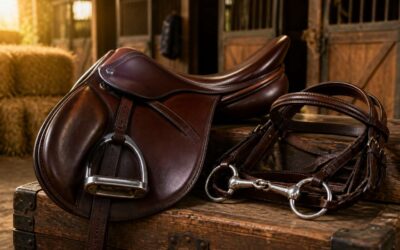
Start with the saddle. It is the most personal piece of equipment you will buy. A heavy, ill-fitting saddle can ruin a ride quicker than anything. Take the time to learn about different tree widths and panel configurations.
Bridles are crucial for communication, but they should be simple. The headpiece, the bit, and the reins. Ensure the browband is fitted correctly. And do not overlook the girth. This is the unsung hero of the tack room.
- Leather offers classic durability.
- Synthetic materials are easier to clean.
Guaranteeing you check these parts of your horse riding equipment list for beginners is safe. A secure girth prevents slipping. It sounds basic, but it is the core of a safe ride.
Grooming and Horse Care Essentials
The first time you swing into a saddle, the ground suddenly feels very far away. You are perched atop over 2,500 pounds of muscle, instinct, and opinion. While the romance of horseback riding is undeniable, the reality is that safety and comfort hinge on one crucial factor: preparation. Putting together a solid horse riding equipment list for beginners is the difference between a blissful trail ride and a painful, skittish experience for both you and the animal.
Before you even think about mounting up, you have to consider what separates you from the dirt. It is a simple equation of friction, protection, and correct fit.
The Non-Negotiables
Your first purchase should always be a certified riding helmet. No exceptions. Look for the ASTM/SEI certification sticker inside the shell. A helmet is not a hat; it must sit level on your head with the harness snug enough that you cannot wiggle it off. Pair this with a pair of paddock boots. These have a small heel that prevents your foot from sliding through the stirrup, a situation that can turn dangerous quickly.
– Helmet: Certified, snug, and with no cracks.
– Boots: Paddock boots or short boots with a defined heel and smooth sole.
– Gloves: Simple leather or synthetic gloves to prevent blisters and maintain grip on wet reins.
The Comfort Layers
Once your head and feet are secure, you need to dress for the ride. Leggings or jodhpurs are ideal because they prevent chafing against the saddle leather. If you are just starting with lessons, a pair of stretchy, flat-seamed leggings will work in a pinch. However, a proper pair of riding pants has reinforced knee patches, which give you the grip you need to stay stable in the saddle.
For your top half, think layers. Riding in a stable can mean freezing in the shade and sweating in the sun. A lightweight, moisture-wicking base layer is essential. When you are learning, you will also want a vest or a fitted jacket that does not bunch up behind your back. This is a crucial part of the horse riding equipment list for beginners because bulky clothing restricts your movement and makes it difficult to follow the horse’s motion.
Bridles, Saddles, and Fit
Here is where many newcomers make a costly mistake: they buy equipment before they understand their horse. You do not necessarily need to own a saddle or bridle immediately. Most riding schools supply these, and for good reason. A saddle must fit the horse’s back perfectly, and a bridle must fit the horse’s head without pinching. Purchasing these items prematurely, without veterinary or saddle-fitter approval, is a waste of money and a source of pain for the animal.
If you do decide to buy your own, remember that leather requires meticulous care. You will need saddle soap and a soft cloth to keep the leather supple. Never neglect the girth, the strap that holds the saddle on. A dirty girth can cause girth galls, which are painful sores on the horse’s belly.
The Grooming Kit
Your time with the horse is not just about riding. Grooming is 50% of the relationship. A basic kit should include a curry comb for circular motions to loosen dirt, a stiff body brush to flick it away, and a soft finishing brush for sensitive areas. A hoof pick is non-negotiable; you must clean the horse’s feet before and after every ride to check for stones or thrush.
These items round out the essential horse riding equipment list for beginners. It connects the act of riding with the responsibility of care. As you progress, you will discover that the saddle creaks like an old ship, and the wind sounds different at a canter. But you will only hear that if you are comfortable, safe, and properly geared up for the journey ahead.
Barn and Stabling Equipment for New Riders
The smell of a stable is a strange comfort. Hay dust, leather, and warm horse. It is a scent that becomes familiar long before you master a trot. For new riders, the paddock and barn are part of the horse riding equipment list for beginners, often overlooked in favor of shiny saddles and bridles.
You do not ride from the feed room, but you will not ride without it. Good stable management keeps your horse safe and sound. It protects your investment and your time. Mucking out a stall is the first lesson in humility. It is also the first step to understanding your partner.
A basic kit for the barn is smaller than you think.
- A sturdy pitchfork and a stiff-bristled broom.
- A wheelbarrow with a solid wheel.
- A feed bin with a locking lid to keep out rodents.
- Several heavy-duty water buckets.
That is the core. You will also want a hay net for travel and a simple first aid kit for cuts and scrapes. The kit does not need to be elaborate. It needs to be durable and easy to clean. Ask the stable owner what they use. They have already tested everything and have strong opinions on what works. Listen to them. They will save you money and frustration. The right tools make the daily chores quicker, leaving more time for the saddle.
Smart Spending, Rentals, and Starter Bundles
Let’s be honest, the full horse riding equipment list for beginners can look like a ransom note for your bank account. You could easily drop a fortune on gear before your horse even gets a carrot.
The savvy move is to start with the essentials and nothing more. A properly fitted helmet is non-negotiable, obviously, and sturdy boots with a small heel are a must. Here is the non-negotiable bare minimum for your first few rides:
– A certified riding helmet
– Comfortable, sturdy boots with a defined heel
– Breeches or sturdy jeans without thick seams
– A pair of gloves to protect your hands from the reins
For almost everything else, renting is your secret weapon. Many reputable stables across South Africa offer saddles, bridles, and even grooming kits on a short-term basis. This lets you test different styles without committing your cash to a piece of leather that might drive you nuts.
Furthermore, renting gives you time to figure out what you genuinely love. Trust me, it is far smarter to rent a saddle for a few months than to buy one that feels like sitting on a park bench.
Finally, keep an eye out for starter bundles. Many local tack shops have curated packages that group the entire initial horse riding equipment list for beginners together at a discount. It is a great way for price conscious riders to get everything they need in one go, at a more digestible cost than buying each piece separately.



0 Comments