Understanding horse tack parts
What are horse tack parts and why they matter
Across South Africa’s dawn-lit trails, riders report a 20% smoother ride when gear is correctly matched. Understanding horse tack parts reveals why small hardware decisions ripple through comfort, safety, and performance. A misfit buckle or over-tight strap can derail even the bravest ride.
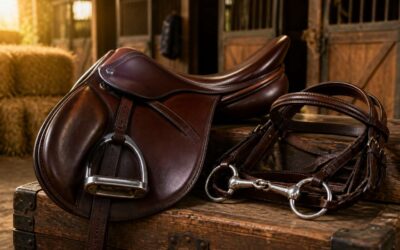
These parts include bridles, saddles, bits, reins, girths, stirrups, and halters—the tools that shape fit, balance, and control. Each element affects contact, pressure, and the horse’s response. A well-chosen combination supports a confident, balanced rider.
- Bridle and reins
- Saddle and girth
- Bit and mouthpiece
- Stirrups and leathers
- Halter and lead
On SA trails, climate and terrain press the equipment into service, so fit and durability become quiet allies. The right arrangement feels like a treaty between rider and horse—a signal that every movement is understood, every step chosen with intention.
Core components included in a tack set
Understanding horse tack parts shapes every ride. The horse responds to what it wears, and a misfit buckle or over-tight strap can derail even the bravest performance. When gear fits, the partnership speaks softly, yet clearly, through every stride.
- Bridle and reins
- Saddle and girth
- Bit and mouthpiece
On South Africa’s trails, climate and terrain press the equipment into service, so fit and durability become quiet allies. Core components included in a tack set—bridles, saddles, bits, reins, girths, stirrups, and halters—shape contact, pressure, and the horse’s response. The arrangement signals intent with every movement.
Safety and performance implications of proper tack fit
A surprising 68% of riders notice a change in a horse’s responsiveness when tack fit is off. Understanding how each part, from noseband to girth, interacts with the horse’s frame reveals why fit is safety, not style. Those horse tack parts shape contact, pressure, and the horse’s response.
On South Africa’s trails, the climate and terrain press gear into service, and precision in fit becomes a quiet guardian.
- Balanced pressure supports natural movement without pinching
- Clear communication reduces misreads and spooks
- Durability to withstand dust, sweat, and rugged days
When these horse tack parts align, riding becomes a quiet conversation with the horse, where intent and movement speak in a language only the pair understands!
Common categories of horse tack parts
Bridles, headstalls, and cheek pieces
Riders in South Africa know control is a quiet pact between horse and handler; when gear fits, the ride feels almost scripted by fate. Across horse tack parts, three categories shape daily communication: bridles, headstalls, and cheek pieces. Bridles centralize the bit, turning mouth pressure into precise feedback. Headstalls anchor the arrangement behind the ears, and cheek pieces set bite height and stability. The setup hums with a subtle, almost supernatural reliability when the fit is right.
- Bridles—the part that carries the bit, noseband, and reins for guiding and signaling.
- Headstalls—the adjustable crown strap that secures the bridle and tunes comfort.
- Cheek pieces—the vertical links that connect bit rings to the headstall, controlling bite alignment.
Across SA pastures, durable materials endure heat and dust, keeping the bond intact when the moment matters.
Reins, leads, and lunge lines
Across the sunburnt veld and tidy arenas of South Africa, horse tack parts whisper a quiet language: reins, leads, and lunge lines. These threads of connection transform intention into movement, and endure heat and dust when the moment matters most.
Reins translate a rider’s signal into subtle pressure and response along the horse’s neck. Varied in length and grip—braid, or continuous—they suit disciplines and temperaments, surviving the SA sun and sand while keeping harmony within reach.
Leads lengthen the bond at ground level, guiding and calm. Lunge lines extend that trust into circles of training, lending control without crowding the horse. In SA yards, durable nylon and braided manila stand up to heat, grit, and time.
Saddles, saddle trees, and pads
Across South African arenas and sun-warmed veld, the saddle marks the first quiet negotiation between horse and rider. Within horse tack parts, this single instrument anchors balance, channels intention into motion, and carries generations of skill.
- Saddle tree types: wooden, steel, and synthetic frames
- Pad configurations: wool felt, foam, and gel inserts
- Panels and flocking: balance contact with musculature
Central to the saddle is the tree—a rigid yet responsive skeleton that defines fit, freedom, and comfort on long rides. Pads layer protection, distribute pressure, and shelter the horse from heat and grit.
Together, these horse tack parts endure SA heat, dust, and long rides, translating careful selection into reliable performance. The artistry lies in balancing the tree, the pad, and the ride—an intimate equation of comfort and control.
Stirrups, irons, and stirrup leathers
In South Africa’s sunlit arenas, the foot finds its anchor in a philosophy of control and comfort. “The foot is the heartbeat of the ride,” a veteran rider likes to say, and it’s true: horse tack parts begin with the stirrup that carries you forward into the day.
Within horse tack parts, stirrups, irons, and stirrup leathers form a quiet triad shaping balance, safety, and feel. Stirrups provide foothold and ankle support; irons are the metal frames that define edge and flexibility; stirrup leathers connect the iron to the saddle, tuning length for a confident stride. Across materials—from steel and brass to durable synthetics—riders tailor weight, grip, and response to terrain.
- Stirrups: safety designs, comfortable footbeds, and grip for confident entries
- Irons: alloy or steel frames with balanced foot clearance
- Stirrup leathers: width, buckle type, and correct length
Bits and mouthpieces
“A good mouthpiece speaks in whispers,” a veteran rider likes to say, and the arena agrees! In the realm of horse tack parts, Bits and mouthpieces shape how riders translate steadiness into movement. Their variety mirrors a ride’s character, from schooling drills to long, sunlit trails.
Common categories within Bits and mouthpieces include snaffle bits, curb bits, Pelham configurations, and modern bitless options. Mouthpieces range from mild to nuanced, with single and double joints, French links, and specialty forms for sensitive mounts.
- snaffle bits
- curb bits
- pelham configurations
- bitless options
These elements guide the horse with a soft compass rather than a hammer. In South Africa’s arenas, I sense the craft of horse tack parts shining as makers blend steel, brass, and synthetic blends for balance, warmth, and durability.
Headgear and protective gear
In South Africa’s arenas, a well-fitted helmet isn’t just gear—it’s peace of mind you can wear. Headgear and protective gear, essential elements of horse tack parts, shape the day from the moment you saddle up. A bridle rests with quiet confidence, a noseband watches the tempo, and reins translate your intent with a whisper.
Here are common categories that keep rider and horse in harmony:
- Bridles and headstalls
- Reins and nosebands
- Riding helmets
- Protective boots
Materials matter in SA’s varied climates—leather, nylon, and modern synthetics wear differently but all aim for warmth, fit, and durability across long rides.
Together, these pieces reinforce trust between horse and rider, weaving safety into every stride and turning horse tack parts into quiet partners on the trail and in the arena.
Materials, quality, and durability of horse tack parts
Leather versus synthetic tack: pros and cons
Durability is not a luxury; it’s a budget saver, especially under South African sun and dust. When discussing horse tack parts, material choice dictates lifespan, maintenance, and performance more than a flashy color ever will. Leather or synthetic—your ride deserves the best match for its conditions.
Leather brings timeless strength, natural grip, and the patina of years. It breathes with the horse, can be repaired in a pinch, and ages beautifully. But it drinks water—care and conditioning are non-negotiable—and it costs more upfront.
Synthetic tack shines in rain and heat: lighter, more affordable, and consistent from batch to batch. It resists drying out and dries quickly, but can crack or stiffen with sun exposure and heavy use.
- Leather: durable, repair-friendly, but needs regular conditioning
- Synthetic: water-resistant and light, but may crack with sun
- Best fit: climate and budget drive the choice
Hardware, buckles, stitching, and overall construction
At the crossroads of tradition and modern engineering, the hardware of horse tack parts carries weight beyond the shine. In South Africa’s sun and dust, metals—stainless steel, brass, or plated alloys—determine how long a piece serves. “The strength of a ride lies in the quiet metal,” says a veteran smith, guiding every decision under saddle, and I’ve felt that truth on every ride.
Quality hinges on construction: buckles that lock with certainty, rivets that never budge, and stitching that resists pull and flex without fraying.
- corrosion-resistant hardware (stainless steel, brass)
- reinforced stitching and bar tack
- secure buckles and rivets
- durable plating and precise tolerances
These details decide how horse tack parts endure years in the saddle, under sun and dust, without faltering.
Care, conditioning, and maintenance for longevity
Across the veld and the arena, the materials behind horse tack parts carry a story before the ride begins. “The quiet metal keeps its word,” a veteran smith often says; stainless steel, brass, and plated alloys resist the elements, and the long, patient work of a maker shines in precise tolerances, locked rivets, and bar-tacked seams. The strength lies in that quiet metal, steadfast through sun and dust.
Quality endures when care, conditioning, and maintenance honor the leather and hardware alike. Gentle cleaning, mindful storage, and attention to wear allow the lineage of craftsmanship to outlast trends, turning each saddle and rein into a trusted partner for years of service under South Africa’s sun.
Fit, safety, and maintenance of horse tack parts
Measuring tack for proper size and fit
Fit is the quiet hero of the saddle world, and a well-sized piece of gear can feel like magic. As a veteran trainer loves to say, “If it fits, it rides.” That punchy truth stays with us: proper sizing matters more than flash.
Measuring tack for proper size and fit keeps horse tack parts from becoming misfits in the middle of a ride. When fit slips, you get rubs, chafing, and uneven pressure that spooks any horse. A quick sanity check covers saddle trees, straps, and cheek piece alignment to minimize risk.
- Shoulder clearance and cheek alignment
- Even weight distribution and balance
- Durable hardware and secure stitching
Maintenance follows the same logic: regular checks, gentle cleaning, and professional eye when something feels off—because a small prop can save a big headache for riders across South Africa.
Safety checks: wear, cracks, and sign of failure
Fit remains the quiet hinge of every ride. When a strap, a buckle, or a saddle pad hesitates, the horse glides forward, listening. As one seasoned trainer likes to say, “If it fits, it rides”—a truth that outlasts trend and glare.
Safety checks are not dramatic; they are daily prayers whispered to the leather and steel. Here are essentials:
- Wear and tear on leather, stitching, and webbing
- Cracks, splits, or bent hardware
- Signs of failure such as frayed billets or loose fittings
Maintenance follows the same logic: gentle cleaning, conditioning, and professional eye when something feels off—because a small fault in horse tack parts can become a big headache across South Africa’s trails.
Cleaning routines and storage practices
On the open veld, fit is the uncelebrated hinge that steadies the step. I’ve learned that good fit whispers safety rather than shouts it, and that horse tack parts respond to care with quiet endurance. A clean, well-fitted kit travels lighter, and lasts longer.
Cleaning and storage are ritual—not ritualistic.
- Wipe with a damp cloth, then dry
- Condition leather after cleaning, store in shade
- Inspect hardware, apply lubricant to hinges
When the tack rests correctly, the horse speaks with ease; maintenance is a pledge you make with each ride.
Replacement timelines and warranty considerations
Fit whispers safety, the unglamorous hinge that steadies every stride on the veld. In the world of horse tack parts, precise fit reduces stress and translates into calm control. “Fit whispers safety” is a line echoed by seasoned hands—neglect shows up as fuss, not force.
Maintenance stretches beyond routine cleaning and storage. Replacement timelines hinge on use, climate, and how regularly gear is inspected. Consider these factors when assessing condition:
- frequency of riding and workload
- exposure to sun, sweat, and moisture
- material wear and stitching integrity
Warranty terms vary by maker, but most cover manufacturing defects for a defined period while ordinary wear is excluded. Check transferability, required maintenance records, and what proves a fault so the guarantee remains meaningful across seasons.
Buying guides and end-to-end selection for horse tack parts
Budgeting, pricing ranges, and value
Every ride tests more than balance; it tests the bond. A master saddler once said, ‘The language between horse and rider is leather and time.’ In that spirit, choosing horse tack parts becomes stewardship—craft and care shaping trust, not just gear.
End-to-end selection means seeing the whole journey, from first need to the ride that follows. In South Africa, budgeting against value matters as much as any rule of form. Consider pricing ranges, from entry-level to premium, as part of the landscape. Here are broad guardrails:
- Durability versus upfront cost
- Warranty, serviceability, and support
- Expected lifespan and resale value
Value emerges when you blend material science with humane considerations—the comfort for horse and the confidence of the handler. If you weigh options with care, the right horse tack parts reward patience with longevity, reliability, and quiet, steady performance.
Brand comparisons and where to shop
In South Africa, 70% of riders report that the most dependable gear answers to the horse, not the wallet. That truth hums through every decision about horse tack parts, where fit and feel forge trust more surely than price.
End-to-end selection pulls you beyond first impressions. Buying guides and brand comparisons become conversations about craft, lineage, and the quiet confidence of a well-supported choice. Where to shop matters too—trusted local suppliers, respected tack shops, and established online stores that understand the South African riding scene.
With patient scrutiny, the right gear emerges as a partner for miles, shaping the ride with a shared purpose—care, balance, and quiet reliability. The journey from need to ride becomes clearer when the right choices are anchored in trust rather than impulse.
Quality cues and test checks before purchase
Riders in South Africa know a hard truth: dependable gear earns trust from the horse, not from the price tag. In this landscape of sunlit fields and busy tack shops, the ride answers to fit, feel, and promise.
Buying guides and end-to-end selection for horse tack parts unfold as conversations about craft, lineage, and the quiet confidence of a well-supported choice.
- Fit across movement and saddle dynamics
- Stitching, seam integrity, and edge finishing
- Hardware quality, durability, and corrosion resistance
- Comfort for horse and rider, balance in hand
Quality cues and test checks before purchase become the compass for discerning buyers. Evidence of even grain, uniform dye, absence of loose threads, and consistent tension around rivets point to lasting construction. A clean edge and even finish whisper pride in craftsmanship.
From trusted local suppliers to established online stores, the path from need to ride grows clearer when trust anchors choices in place, history, and the rhythms of the South African riding scene.
Discipline-specific recommendations and customization
Across South Africa, nearly 60% of riders swap ill-fitting gear mid-season, proof that fit outruns flash in the saddle, indeed! Buying guides and end-to-end selection for horse tack parts unfold as conversations about craft, lineage, and the quiet confidence of a well-supported ride. The aim is a shared promise between horse and handler: gear that moves with you, not against you.
Discipline-specific recommendations and customization shape every decision.
- Dressage, show, and flatwork: subtle hardware, balanced billets, and edge finishes that whisper rather than shout.
- Trail, endurance, and long rides: breathable linings, padded grips, and durable rivets designed for weather and sweat.
- Ranch, cattle work, and Western styles: reinforced stitching, heavy-duty straps, and water-resistant leather or synthetic blends.
From trusted suppliers to online stores, the path grows clearer when tradition and performance move with modern fit checks. The right choice stands as a testament to craft and trust.
Second-hand options, repairs, and restoration tips
A season on the trail or in the arena can hinge on the quiet competence of gear. Across South Africa, riders crave end-to-end selection that makes sense of a crowded market, where craft, fit, and reliability outshine flash in the saddle.
Second-hand options for horse tack parts demand a careful eye. Look for intact stitching, solid rivets, and leather that breathes rather than sags. When repairs and restoration loom, trust established specialists who understand lineage and balance; a well-tended resale becomes a bridge between history and performance.
- Fit and sizing compatibility
- Condition and repair history
- Brand support and warranty
An honest buying guide anchors decisions in value, fit, and warranty, guiding buyers through the maze of brands and materials. The end-to-end selection process turns complexity into clarity—from initial assessment to long-term care—so gear moves with the rider, not against.



0 Comments