Comprehensive guide to English horse tack terminology
English horse tack terminology overview
Across South Africa’s riding rings and sunlit veld, gear that fits speaks before the first stride. A well-fitted saddle can dramatically cut fatigue and boost safety, and within horse tack in english, terminology translates comfort into confidence! From leather’s patina to the quiet whisper of stirrup leathers, the language of gear shapes how riders choose, fit, and respect their horses.
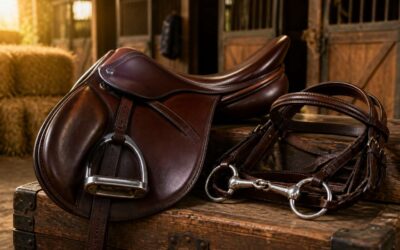
Core components include the essential elements that form the conversation between horse and rider:
- Saddle
- Bridle
- Bit
- Girth
- Saddle pad
- Reins
- Stirrups
Beyond the basics lie terms for fit and function—nosebands, martingales, breastplates—words that guide careful comparisons across brands. The aim is harmony, balance, and comfort, from the cinch to the curb chain, preserved in language as precise as a hoofbeat on South African soil.
Tack types by use and scenario
Power comes from fit, not flair. A well-fitted saddle can erase fatigue and sharpen safety, and the language of gear shapes every choice. In horse tack in english, riders translate a moment’s challenge into a precise vocabulary—knowing when a dressage saddle, a jumping bridle, or a light girth earns harmony between horse and handler.
- Dressage-focused tack: deep seats, plain reins, and balanced nosebands
- Jumping and eventing configurations: close-contact saddles with secure girths
- Trail and endurance gear: sturdy panels, breathable materials, and long-line reins
- Schooling and turnout essentials: simple pads, quiet leathers, and reliable buckles
Mapping by context—arena, course, or trail—preserves comfort and elevates performance across South Africa’s riding landscape.
Materials, hardware, and fit considerations
Across South Africa’s arenas, horse tack in english becomes more than gear; it is a language that translates challenge into choice. A well-fitted saddle erases fatigue and sharpens safety, its quiet spine guiding every stride. This guide peels back materials, hardware, and fit considerations, leaving only what works.
Materials shape character: leather that ages with grace, synthetic composites for lighter strength, and padding that distributes contact. Essentials include:
- Full-grain leather for durability and patina
- Synthetic composites for lighter weight
- Natural wool padding for even contact
Hardware and fit keep the harmony. Buckles, rivets, and billets carry the load; their finishes resist the dust of practice. Fit considerations—gullet width, tree size, and panel balance—shape comfort across arena, course, and trail.
Buying, sizing, and care for tack
‘Fit is everything,’ a veteran rider told me, and in South Africa’s arenas that truth lands with the thud of a hoof. Buying the right pieces starts before you lift the lid—measurement, intent, and pace.
As you navigate horse tack in english, the terms you learn should map to fit: saddle size, bridle type, and care routines. I’ve learned to start with precise measurements, consult a pro, and align with your horse’s conformation; craft a care routine—clean, oil leather, store properly.
Key steps for buying and sizing include:
- Accurate measurements of gullet width, seat size, and tree type
- A trial on a quiet horse to judge balance, movement, and comfort
- Inspection of stitching, hardware, and overall finish for durability
A well-tended set of gear becomes a silent partner on every ride, turning routine into reliability. In this way, care for horse tack in english becomes care for performance.



0 Comments