Essential Saddles for Barrel Racing
Key Design Features of Barrel Saddles
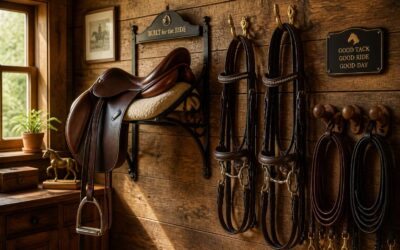
A barrel saddle is not a decorative accessory. It is the fulcrum between horse and rider when every second counts. Essential saddles for barrel racing share one trait: they hold the rider low and secure through tight turns.
Look for a deep seat with a pronounced cantle. The horn should sit low, allowing the reins to be gathered without catching your thumb. The skirt must be short and rounded, letting the horse’s shoulders move freely around the barrel. Common features include:
– A fibreglass or rawhide tree built for narrow withers
– Fenders set forward to keep your legs in a secure position
– A suede or roughout seat to anchor your body
These design choices reduce slippage. When choosing horse tack for barrel racing, prioritise a tree that matches your horse’s back. A poorly fitted saddle will cost you time. Invest in quality, not flash.
Finding the Right Seat Size and Depth
Your ischial tuberosities dictate saddle size more than weight or height. One inch too wide rocks you in the turn. One inch too narrow jams you against the cantle. The correct size lets your pelvis rest while your thighs stay parallel to the fenders. Depth matters equally. A shallow seat forces knee grip, tightening hip flexors and deadening your lower leg.
- Measure hip to knee when seated.
- Assess tucked flexibility.
- Test with sudden stops.
Horse tack for barrel racing must respect your unique posture. No two riders sit alike. Some saddles are available in half sizes. Sit without stirrups first, then with them. The right depth supports you without restricting your movement.
Understanding Saddle Trees and Flexibility
When a horse curls around the third barrel, the tree is what keeps you connected. The saddle tree is the skeleton of your horse tack for barrel racing. A rigid tree sends every jarring stride up your spine, while a semi-flex tree follows the shoulder’s rotation through the turn. The gullet width and bar angle decide whether the saddle rests on muscle or bone.
Manufacturers build trees from laminated wood, fiberglass, or rawhide. Each material bends differently. A rawhide tree flexes with the horse’s ribs, accommodating a deep lunging stride. Fiberglass holds its shape but transfers more shock. I have watched a poorly fitted tree cause a horse to shorten his stride before the first barrel. Tree flexibility is the part of horse tack for barrel racing that riders forget until it fails.
- Press the pommel and cantle toward each other to feel the give.
- Watch the shoulder motion at a lope.
- Check for shifting after a hard turn.
Adjusting Fenders, Stirrups, and Positioning
The fender connects your leg to the horse’s ribcage. Most barrel racers set their fenders too far forward, which tilts the knee into the swell and pushes the foot ahead of the shoulder. In South Africa, where many riders train on uneven veld, a misplaced stirrup becomes obvious in the first hard turn.
Stirrup length changes how a rider stands and sits. When a rider sits deep, the fender rests flat against the saddle, not twisted at the top. Foot placement, ball on the tread, tells the horse where the rider intends to go. This is horse tack for barrel racing at its most personal, the part with no correct factory setting. Watch a seasoned rider fiddle with the fender strap while chatting; that adjustment changes how weight lands on the stirrup. Riders who master this make the rest of their horse tack for barrel racing look effortless.
Bridles and Bits for Precision Control
Popular Bit Types for Barrel Horses
I’ve watched barrel racers obsess over saddle fenders while ignoring the bridle. That mistake shows at the first barrel. The bridle is the direct line to a horse’s focus. For horse tack for barrel racing, a well fitted bridle and bit make raw speed manageable.
Choose a bridle that sits snugly behind the cheekbones. Split ear bridles stay stable during quick head movements. Roping bridles add rein security. The bit does the real work. Common choices include:
- Snaffle bit: light cues for young horses.
- Gag bit: lift for leaning horses.
- Ported bit: tongue relief for sensitive mouths.
- Hackamore: option for bit shy horses.
Each bit changes pressure points. A heavy handed rider ruins any mouthpiece. Match the bit to the horse’s training level, not fashion. That is where control begins.
Selecting a Bit Based on Horse Experience
Choosing a bridle and bit for a seasoned competitor differs from fitting a green broke prospect. I have watched the same hackamore produce two opposite results. One horse softened, the other bolted. The difference was training, not tack. For a horse new to barrel racing, a light snaffle encourages response without fear. A finished horse, one that has carried through turns for years, may need a ported bit for clear brakes.
Consider the horse’s history:
- Young or green: mild snaffle, minimal leverage.
- Intermediate: smooth mouthpiece with moderate curb pressure.
- Experienced: ported or gag bits for fine tuning.
The right horse tack for barrel racing respects that hierarchy. Overbitting a nervous horse destroys trust. Underbitting a strong horse risks a missed turn. Precision control begins with honesty about your horse’s level. That honesty saves runs!
Comparing Split Ear and Slip Ear Headstalls
Between your reins and your horse’s mouth, the headstall mediates every cue. Split ear headstalls anchor the bridle to a single ear, preventing slippage when a horse throws its head during a tight turn. Slip ear headstalls loop over both ears, spreading pressure and offering a more forgiving fit.
The choice often reveals your horse’s personality. A high strung athlete might feel contained by a split ear’s secure hold. A laid back competitor may relax into a slip ear’s even tension. Both allow precise rein aids, yet they communicate differently through the bridle.
- Split ear: maximum stability, less adjustment.
- Slip ear: balanced feel, easier to slip off.
The best horse tack for barrel racing is the headstall your horse accepts without argument. A split ear suits one style, a slip ear another.
Leg Protection and Support Gear
Splint Boots for Front Leg Safety
The front legs of a barrel horse handle every split second of every turn. A stray hoof graze can raise a splint that leaves a horse trotting lame for weeks. That is why splint boots matter. They are a practical piece of horse tack for barrel racing that sits over the cannon bone and blocks the impact of a hoof landing too close. The design is simple: a tough shell with cushioning inside. But the function is serious.
Splint boots work by absorbing energy from blows. They also reduce friction from the opposite hoof. Some riders choose boots with extra coverage over the fetlock. Others prefer a lighter model for speed. The choice depends on the horse’s gait and the arena surface. A secure fit avoids rubbing and restricted motion. In the broader selection of horse tack for barrel racing, these boots deserve attention before the first run.
Bell Boots and Hoof Protection
A hind hoof can clip a front heel just as a barrel horse changes leads. That impact lands on the coronet band, the delicate structure that shapes the entire hoof wall. Bell boots are the horse tack for barrel racing that absorbs this punishment before it becomes a bruise, a crack, or a lost season.
Bell boots cover the hoof and pastern with a thick rim that takes the strike. I favor rubber for daily training because it resists dirt and water. Neoprene molds closer for a snug fit, and some riders choose a reinforced toe for hard ground.
- Use bell boots on all four feet if the horse overreaches badly.
- Check the fit so the boot sits just above the bulbs of the heel.
- Clean the inside after each run to prevent sand irritation.
Choosing the right horse tack for barrel racing means paying attention to what happens below the fetlock. The right set of bell boots keeps a sound horse sound through the long season.
Skid Boots for Tight Stops
A hard stop at full speed is where barrel races get won or lost. The hind leg drives into the ground, and the back of the fetlock meets the dirt with brutal force. Skid boots are the horse tack for barrel racing that absorbs that abrasive contact before it becomes a raw wound or a swollen joint.
The shell needs a smooth surface to slide, and the interior needs enough padding to protect the digital flexor tendon. I look for a boot that covers the bulb of the heel without restricting the hoof’s natural expansion.
What separates a reliable skid boot from a dangerous one:
- Coverage that extends above the fetlock
- A closure that holds under repeated torque
- Material that sheds sand and mud
Even a perfect fit won’t save a horse if the boot twists mid run! The right horse tack for barrel racing stays exactly where you placed it.
Leg Wraps vs. Boots: Pros and Cons
A horse’s lower leg endures a specific pattern of torque and impact inside the barrel pattern. Deciding between wraps and boots for leg protection depends on what you prioritize: quick application versus precise support. Boots feature a hard shell that deflects the ground and arena rails. Wraps use layers of fabric to provide even compression along the superficial flexor tendon. For horse tack for barrel racing, both belong in a well-stocked trailer.
Consider the pros:
- Boots offer superior impact resistance and are easier to clean.
- Wraps reduce the chance of interference while allowing full joint flexion.
- Boots slip off more often, but wraps require careful, even tension.
The ground at South African tracks varies from red clay to packed sand, which changes the wear on each.
Materials That Offer the Best Shock Absorption
A barrel horse’s legs stop a 450 kilogram animal at speed. The material between the hoof and the ground determines how much of that energy travels up the tendon. Neoprene remains the standard because it compresses under load and rebounds without losing density. EVA foam, found in most splint boots, adds lightweight cushioning with a progressive response.
Material choice is tied to the ground you run on, something every buyer of horse tack for barrel racing learns early:
- Neoprene holds up on packed sand without hardening
- EVA foam keeps its bounce on red clay, even when caked
- Closed-cell foam resists the moisture that trapped dirt brings
South African conditions demand both. The best horse tack for barrel racing uses materials that adapt to the surface while absorbing impact. That adaptation is the difference between protection that lasts one season and gear that lasts a career.
Saddle Pads, Girths, and Cinches
Contoured vs. Flat Pads for Barrel Racing
The difference between a smooth turn and a jarring stop often hides beneath the saddle pad. Contoured pads trace the barrel horse’s back closely, while flat pads offer a level plane. The choice alters how girth and cinch pressure travels across the ribcage. For a horse that twists through a cloverleaf pattern, a contoured pad reduces slippage and preserves withers clearance. Flat pads give a consistent surface for younger horses still building muscle.
Consider these differences when selecting horse tack for barrel racing:
- Contoured pads follow the spine’s curvature, distributing load evenly.
- Flat pads require precise cinch adjustment to avoid bridging.
Girths and cinches work in tandem with the pad. A contoured pad often pairs with a roping cinch for a snug fit. Flat pads may suit a fleece-lined girth. The tactile feedback from each combination reveals pressure points.
Wool, Felt, and Memory Foam Pad Materials
Wool pads hold heat while drawing sweat away from the skin, a balance that matters in horse tack for barrel racing. Felt pads provide a firmer bearing surface that resists compression under the saddle tree. Memory foam sculpts to the horse’s back in response to body heat and pressure.
Consider the horse’s current muscle condition. Wool suits sensitive withers. Felt works for flat backs. Memory foam adapts to uneven topline but needs frequent checks for bruising.
- Wool breathes best during intense runs.
- Felt holds its structure through multiple rides.
- Memory foam offers dynamic support for irregular conformations.
The chosen material interacts with your girth or cinch. A thick wool pad may need a shorter cinch. Felt and memory foam change thickness, so recheck fit. Every material in horse tack for barrel racing demands observation and adjustment.
Correct Pad Fit and Proper Placement
A saddle pad’s reputation depends on where it rests, not what it costs. In horse tack for barrel racing, correct pad fit begins with placement. The front edge must sit behind the shoulder blade. If the pad rides onto the withers, expect uneven sweat marks and hesitation in the horse’s stride.
The girth or cinch adds another layer of consequence. A loose cinch lets the saddle shift forward, dragging the pad with it. I smooth the pad upward under the saddle before cinching, then check again after leading the horse a few steps.
- Front edge clears the shoulder.
- No folds beneath the pad.
- Billets hang straight and even.
Proper placement is a habit. The horse’s back changes shape as it warms up, so a pad that fit at the barn may need adjustment before the run.
Cinching Systems and Quick Adjust Features
A barrel run lasts fifteen seconds, but a loose cinch can end it in two. The girth is the least glamorous piece of horse tack for barrel racing, yet it decides whether the saddle stays central. Quick adjust features matter because a horse’s ribcage expands with each stride. A lever buckle takes up slack in one motion. I tighten between runs without pulling the saddle off balance.
Saddle pads and cinches work as a unit. A thick pad creates space, so the cinch needs extra reach. The system fails when the pad shifts and the cinch sits too far forward. I check that the billet straps align with the cinch rings.
Heat and dust change how a cinch holds. Fleece-lined cinches trap sweat and sand, breeding sores. Synthetic materials dry quicker and endure more.
- Check tension before every run.
- Inspect billet stitching for wear.
- Clean the cinch after each session.
- Replace when the material cracks.
Back Cinches and Their Role in Stability
The front cinch anchors the saddle, but the back cinch stops the cantle from pitching upward during a tight turn. A lift of just five centimeters redirects the rider’s balance entirely. This strap runs from the rear rigging under the horse’s belly. Its purpose is specific to the forces of a rollback.
This specific element of horse tack for barrel racing should never hold weight. The strap hangs loose enough for two fingers to slide underneath. When overtightened, it presses against the sensitive flank and restricts breathing. A sheepskin cover absorbs sweat and prevents friction.
- Check the rear rigging dees for cracking.
- Verify the back cinch does not touch the elbow.
- Secure the loose strap end with a keeper.
Riders sometimes remove this piece of horse tack for barrel racing, thinking it limits stride. The correctly adjusted strap stabilizes the saddle during the rollback and keeps it centered when the horse plants its rear legs.
Using Breast Collars to Prevent Saddle Slip
Barrel racing punishes a saddle that drifts. When a horse drops its shoulder into a turn, the whole rig can shift forward. A breast collar is the piece of horse tack for barrel racing that stops this slide before it starts. It runs from the saddle’s front rings around the horse’s chest, linking to the girth or cinch. The collar transfers pressure to the sternum, keeping the saddle centered.
A correctly fitted breast collar clears the windpipe and allows full shoulder rotation. Pair it with a contoured saddle pad that grips the back. The girth should be snug but not tight. Check the collar’s straps for even tension:
- Look for rub marks on the chest after a run.
- Adjust the connecting straps so the collar sits straight.
- Ensure the collar does not press against the shoulder blade.
When the breast collar works with the pad and girth, the saddle stays put through rollbacks and straightaways. No extra hardware. Just a clean fit that holds.
Additional Control and Training Aids
Tie Downs and Proper Adjustment
In barrel racing, a tie down can make the difference between a smooth, collected turn and a horse that tosses its head like a confused ostrich. For those investing in horse tack for barrel racing, this aid offers additional control, but only when adjusted with the precision of a watchmaker. Too tight, and you restrict breathing; too loose, and it becomes decorative.
Proper adjustment starts with the noseband sitting two fingers below the cheekbone. The strap should tighten only when the horse raises its nose past a natural frame.
– Check the poll strap for rubbing
– Ensure the chin strap allows one finger gap
– Test the release after each run
A well-fitted tie down supports your bit’s cues without becoming a crutch. When adjusted correctly, it fades into the background, letting your riding do the talking.
Martingale Options for Barrel Horses
A horse’s head position determines the quality of every barrel turn. In barrel racing, martingales provide additional control through the girth and reins, correcting evasion. Unlike the tie down, which acts on the nose, a running martingale applies pressure through the bit, allowing the horse to turn freely while preventing the head from soaring. The standing martingale holds a fixed line, demanding a consistent frame, useful for a horse that throws its head in the pocket. The German martingale offers a mechanical advantage, refining the response through rings.
Consider these variants:
- Running: for freedom with restraint
- Standing: for rigid head placement
- German: for graduated leverage
Each choice alters the pressure timeline, so the rider must feel the difference in the first stride. Horse tack for barrel racing demands this precision. A martingale that fits poorly corrects too late and teaches fear instead of form.
Tack Maintenance, Fit, and Safety Checks
Daily Cleaning Routines for Performance Tack
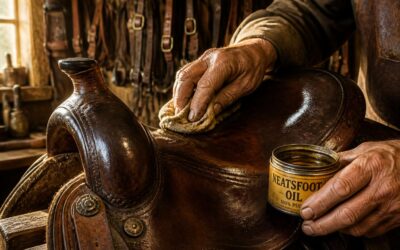
Every morning, before the arena calls, I run my hands over every inch of my horse tack for barrel racing. Sweat and dust settle into crevices overnight, and a clean saddle is a safe saddle. I wipe leather with a damp cloth, then apply conditioner sparingly to the fenders and skirts.
Fit demands attention. Check the billet straps for stretched holes. Inspect stitching on the cinch and latigo. Run fingers along edges where wear hides. A loose screw in a stirrup hinge can end a run faster than any opponent.
- Feel for rough spots on the headstall
- Verify the breast collar connects without play
- Look for cracked leather near the rigging
I set a timer each week to examine every buckle and keeper. Small cracks whisper before they shout. With this horse tack for barrel racing, the horse moves freely, and trust follows.
Conditioning Leather to Prevent Dry Rot
The lifespan of quality leather depends entirely on the oils you replace. Sweat, sunlight, and repeated friction strip those oils from the hide. Without replenishment, horse tack for barrel racing succumbs to dry rot, a degradation that starts beneath the surface and only reveals itself once cracks appear.
Run your fingers along the latigo and the off billet. Leather that feels rough or powdery has already begun to break down. Apply a conditioner containing lanolin or beeswax, massaging it into the grain with a soft cloth. Let it soak in overnight.
- Check stitching alongside the leather, as dry rot often attacks the thread first
- Test any new conditioner on an inconspicuous area
- Store tack away from direct sunlight and heat sources
Conditioning deserves weekly attention, not occasional effort. Supple leather flexes with the horse’s movement and that flexibility translates directly into smoother runs.
Inspecting Stitching, Hardware, and Wear Points
Most tack failures announce themselves long before disaster, but only to those who look. A barrel racer in Mpumalanga lost her perfect run when a corroded cinch buckle gave way mid-turn. That silence taught her what horse tack for barrel racing demands: perpetual vigilance.
Run your thumb along every stitch line, especially where leather meets metal. Frayed thread, loose loops, or cracked nylon webbing are early warnings. Hardware on horse tack for barrel racing deserves scrutiny too. Check the rigging dees and buckles for bent tongues or worn rollers. A clean barrel pattern means nothing if the saddle disintegrates at speed.
Wear points hide in predictable places:
- Billet holes stretched from repeated buckling
- The fender connection where friction rubs daily
- The gullet area where the tree presses against the pad
Ensuring Proper Tack Fit as Your Horse Changes
A horse’s back changes shape with the season, the training load, and even the time of day. That saddle which fit perfectly in April may sit unevenly by June. Horse tack for barrel racing must be re-evaluated as your equine athlete’s condition shifts.
Monitor wither clearance weekly. A rocking saddle or pinched shoulders will sour the most willing runner. Uneven sweat patterns on the pad signal trouble. Check the tree width against the scapula’s arc.
- Reassess gullet height monthly
- Feel for bridging along the panels
- Adjust pad thickness as topline changes
Do not assume yesterday’s adjustments hold. A back can shift two centimetres in one season, so make your rig a living system.


0 Comments