Understanding the Cost Range of Horse Riding Gear
Factors that influence gear prices
In South Africa, riding gear isn’t a luxury—it’s practical protection against wind, wobble, and the veld. If you’re wondering how much is horse riding gear, you’re not alone. Starter kits sit in the low thousands of rand, while premium ensembles flirt with five figures.
Several variables drive those numbers.
- Materials and safety standards
- Brand prestige and warranty
- Bundled items (helmet, gloves)
- Purchase channel (local shop or online)
Materials, craftsmanship, and bundles tilt the price, while local versus online purchases add time and transport costs.
Import duties and currency quirks weave the rest of the SA price tapestry, making value a moving target.
Average price by gear category (helmets, boots, saddles)
“Gear is insurance with a zipper,” a SA rider likes to quip, and it lands true when the veld is persistent and the wind has opinions. If you’re asking how much is horse riding gear, you’re not alone—the price range isn’t a single figure but a spectrum shaped by safety, comfort, and a dash of swagger.
Here’s the lay of the land, by category:
- Helmets: R1,800–R4,500
- Boots: R2,000–R9,000
- Saddles: R10,000–R50,000
Even at the entry-level end, you’re investing in confidence; at the upper end, you’re courting longevity and a touch of couture. In SA, the gear you choose is as much a statement as a shield against wind, wobble, and the unpredictable veld.
Budget planning for new riders
Riding gear is a budget with a spine—hard to justify at first glance, but you feel it every time the wind bites. A SA rider once quipped, ‘We don’t chase the weather; we outdress it.’
Understanding how much is horse riding gear isn’t a single price tag; it’s a spectrum shaped by safety, comfort, and the promise of longevity. The cost of helmets, boots, and saddles scales from entry-level practicality to gear that lasts a lifetime, and each choice carries its own politics of value. The answer lies in balancing today’s impulse with tomorrow’s reliability.
- Assess maintenance and replacement needs over time
- Factor safety standards into value, not just price
- Allow a buffer for unexpected repairs or upgrades
In SA, gear signals more than function—it’s a posture toward the veld and the policy of perseverance.
Used vs new gear considerations
Riders in sunlit paddocks and urban arenas know gear is more than gear—it’s resilience in fabric. People often ask how much is horse riding gear, and the answer rides the edges of value and judgment. “We outdress the wind,” a Cape Town rider quipped, a reminder that price carries posture as much as protection.
The cost range splits between used and new gear. Used pieces offer immediate savings but carry unknown history; new gear promises safety, warranty, and longevity. Consider these:
- Condition and wear
- Safety standards and longevity
- Fit and potential resale value
Across South Africa, gear signals more than function—it’s a stance toward the veld, a quiet cheque for perseverance and pride.
Breaking Down Essential Horse Riding Gear Costs
Helmet price ranges and safety standards
Several riders chase the crisp edge between cost and protection. Many wonder how much is horse riding gear, and the helmet is where price behaves like a moral choice, not mere numbers. You want a shell that fits, vents well, and holds its shape when the arena lights go off. The question isn’t only about what you pay, but what you gain in confidence each ride.
Helmet price ranges start at entry-level caps around R700 to R1,200, climb to mid-range around R1,500 to R3,500, and rise to premium models from roughly R4,000 to R7,000. These numbers reflect features like vents, fit, weight, and shell material.
- ASTM F1163 certification (USA)
- VG1 or EN 1384 (EU)
- PAS 015 (UK) or equivalent
Beyond price, the right certification gives a shield you can trust when the reins pull tight and the horse surges forward.
Riding boots and legwear pricing
Boots carry more than style; they carry the rhythm of a gallop and the quiet trust of a practiced leg. A veteran field hand likes to remind me that boots weather stories into leather. When riders ask how much is horse riding gear, they’re really weighing comfort, safety, and confidence on every ride.
Riding boots and legwear come in clear tiers. Entry-level boots typically run around R1,200 to R2,800, mid-range from R2,800 to R5,000, and premium models above R5,000. Breeches and jodhpurs follow a similar curve: entry about R600 to R1,400, mid-range R1,400 to R2,800, and premium R2,800 to R4,500, depending on material and construction.
Within those bands, fit and material choices shape lasting performance more than flash.
- Quality leather and reinforced stitching withstand daily wear
- Right fit reduces fatigue and knee grip without pinching
On the old farm, where wind smells of hay and rain, the gear you choose threads into every ride and memory.
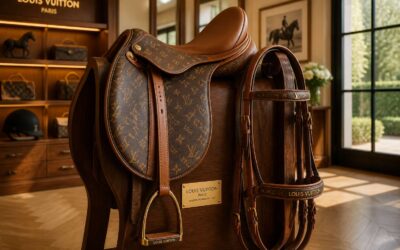
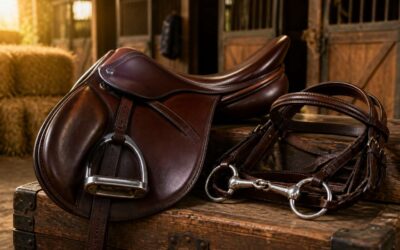
Saddles and tack pricing overview
‘A saddle is a partner, not a prop,’ my mentor says, and the truth lands like a bell! In South Africa’s sunlit trails, saddles cradle memory as surely as stirrups cradle balance. When riders ask how much is horse riding gear, the heart answers with leather and lore—the gear that carries confidence along rivers, ridges, and rain-scented fields!
This saddles and tack pricing overview reveals how cost is built: a choreography of materials, tree, and craft. Entry-level saddles start around R6,000, mid-range around R12,000, and prestige above R25,000, with price carved by hide quality, tree construction, and stitching discipline.
- Tree type and fit
- Leather quality and finish
- Stitching and reinforcement
- Fittings and billets
Protective gear and safety accessories
Safety isn’t expensive—it’s priceless, the quiet whisper that steadies hands when the reins feel a touch more dramatic than the weather. In South Africa, protective gear is the quiet workhorse of a reliable ride. If you’re asking how much is horse riding gear, remember that costs hinge on protection level, fit, and the materials that breathe and resist a Cape Town gust.
Essential protective items often break down into a few core categories. Consider these features when weighing value:
- Helmet engineering and safety certifications—ventilation and comfort drive long rides.
- Body and back protectors for rib and spine safety.
- Gloves and leg protection—grip and abrasion resistance.
- High-visibility vests and gaiters—seen on dusty trails.
So, if you’re tallying costs, how much is horse riding gear becomes a question of how much protection you want to carry along rivers, ridges, and rain-scented fields.
How to Budget for Accessories and Maintenance
Grooming tools and show supplies
Budgeting for accessories and maintenance feels like counting shadows in a dim stable, yet it keeps the season from spiraling. In South Africa, the quiet cost of grooming tools and show supplies often shapes the ledger long before any new gear enters the arena.
- Grooming brushes (body, mane, tail)
- Curry combs and face comb
- Hoof pick and hoof oil
- Mane/tail detangler and finishing spray
- Show sheen cloths, tack sponge, and microfiber cloths
Plan for replacements, keep a simple ledger, and store items properly to extend their life. The common question how much is horse riding gear becomes clearer when you account for repair cycles and storage costs.
Maintenance costs and replacement timelines
Stables in the shadowed corners of South Africa tell a quiet truth: maintenance costs creep before new gear ever graces the rack. A telling stat whispers that nearly half of a rider’s gear budget is spent on upkeep, as the seasons turn—an unseen chill on the ledger.
When you budget for accessories and maintenance, treat the ledger like a living map. Simple categories, repair cycles, and storage costs keep you honest. The question how much is horse riding gear becomes more honest when wear, repairs, and daily toil are counted alongside shiny upgrades.
- Regular inspection cadence and documentation
- Estimated lifespans and replacement windows for common items
- Storage conditions and preventative care to extend life
Let that ledger murmur in the hush of the stable—how much is horse riding gear, read in leather and light, as seasons keep their patient vigil.
Insurance, warranties, and care tips
In South Africa’s quiet stables, the ledger keeps a subtle score: upkeep quietly gnaws at the budget while new gear gleams on the rack. A telling whisper suggests nearly half of a rider’s gear spend rides the maintenance tide as the seasons turn.
When budgeting for accessories and maintenance, treat the numbers as a living map—insurance, warranties, and care belong on the same shelf. Curious how much is horse riding gear? In South Africa, the answer is as nuanced as a well-fitted bridle. Consider these categories:
- Insurance coverage that protects gear against wear, loss, and transit
- Warranty windows on helmets, boots, saddles, and safety gear
- Care routines and storage practices that extend life and preserve value
Let the ledger murmur in the hush of the stable, a refined calculation with teeth and leather—and yes, a dash of social tact.
Budgeting for Riders at Different Levels
Beginner starter bundles and essentials
Riding budgets in South Africa shift quickly as riders move from introductory lessons to regular schooling. A recent survey shows gear accounts for nearly a quarter of a rider’s annual spend in the early months, which shapes how starter bundles are discussed. People often ask how much is horse riding gear. That’s the reality!
- Certified riding helmet
- Riding boots with a small heel
- Breeches or jodhpurs
- Riding gloves
- Saddle pad
Beginner starter bundles bundle essential gear into one price, making the topic accessible. A typical starter kit includes:
Beyond beginner, budgets stretch as riders upgrade and replace worn gear. In South Africa, second-hand options can stretch your rand further, while safety standards remain non-negotiable.
Upgrading gear as skills advance
Across South Africa, riders ask how much is horse riding gear as they graduate from introductory lessons to regular schooling. Budgets shift with frequency of rides, and choices tilt toward reliability and long-term value rather than impulse buys.
- Starter tier focuses on the essentials and predictable upfront costs.
- Mid-level upgrades align with more frequent lessons and longer rides.
- Upper-tier gear emphasizes durability, safety, and a sensible maintenance plan.
With that framework, needs grow gradually and your rand stretches as skill keeps pace with gear upgrades. I’ve seen riders breathe easier when they map out upgrades with a practical replacement timeline. A clear plan helps you avoid overpaying or underserving safety while you ride.
Cost of competition gear and travel essentials
Riders in South Africa often see gear costs jump by roughly a third as they move from beginner lessons to regular schooling. Riders ask how much is horse riding gear when travel to shows and clinic weekends begins to weigh on the budget. Budgeting for riders at different levels means sizing expectations to ride frequency, transport, and entry fees, then pairing plans with a steady maintenance cadence.
Cost of competition gear and travel essentials shapes the plan. A concise kit plus a realistic transport fund keeps momentum steady without draining the rand. The goal is reliability and long-term value, not impulse buys.
- Travel-ready saddle bag with spare bits
- Compact first-aid and tack maintenance kit
- Printable schedule and entry fee tracker
Seasonal sales, discounts, and thrift options
Riders in South Africa recalibrate budgets as seasons shift; when you ask how much is horse riding gear, the answer isn’t a fixed tag but a living plan tied to ride frequency and plans to show. A good approach blends necessity with a patient eye on value and upkeep.
Seasonal sales become a reliable hinge for decisions, with discounts on off-peak stock and thrift options that stretch the rand further. Thrift-minded approaches—consignment stalls, club swaps, trusted online communities—turn quality gear into a shared resource, not a budget buster.
- local consignment shops
- online marketplace groups
- gear swaps at clubs
- second-hand auctions
By framing gear as evolving with your journey, you conserve momentum without ballooning costs; the aim is steady progress, not impulse buys.


0 Comments