Key Components of Equestrian Tack and Gear
Saddles and Seat Comfort
Somewhere between wind-worn plains and rail-studded arenas, a saddle makes a pact. ‘A saddle is a partnership, not a prop,’ a keen South African rider told me, and I’ve felt that truth with every ride and breath the horse shares.
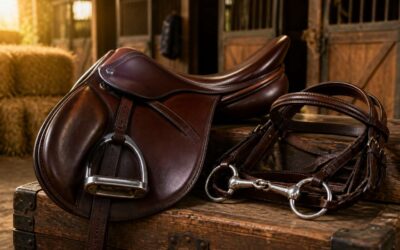
Key components of the saddle shape the ride: the tree, panels, flocking, billets, and the seat itself. Each part must align with horse and rider, dampening shocks and guiding balance.
- Saddle tree
- Panels and flocking
- Billets and cinches
- Stirrup bars
Seat comfort hinges on depth, width, and contour. A well-sculpted seat supports the rider’s core, while knee rolls offer stability without pinching. Leather breathes; synthetics grip differently, changing how you move with the horse on long rides.
In the realm of horse tack and equipment, fit and function mingle with artistry. When the horse moves freely, the tack disappears into the rhythm, and comfort becomes a shared language.
Bridles, Bits, and Headgear
Bridle fit is the quiet hinge that can swing a ride from tense to fluid. ‘A bridle is a translator between hand and horse,’ a seasoned South African trainer once said, and the truth lands with every breath. Within the realm of tack and gear, bridles, bits, and headgear shape the connection.
Key components—headstall, browband, noseband, throatlatch, and reins—must align with horse and rider. The bit is more than metal; its mouthpiece, cheekpieces, and curb elements ride the line between guidance and comfort. Leather offers breath and warmth; synthetics bring grip and easy care; both demand meticulous adjustment for mouth, jaw, and poll.
- Headstall and headgear fit to avoid pinching or chafing
- Noseband options tuned to restraint without crowding the jaw
- Bit choices that suit dental health and training aims
With careful selection, this gear remains a silent partner in movement within horse tack and equipment.
Girths, Cinches, and Straps
“A good cinch is a rider’s quiet ally,” a South African trainer says. In horse tack and equipment, girths, cinches, and straps are the silent connectors that keep a saddle steady and a horse balanced. They shape comfort from the first stride.
Girth options span leather, neoprene, and cotton blends. A proper fit sits snug without pinching, leaving room for breath and movement.
- Leather English girth with a flexible center
- Neoprene-lined contoured girth for even pressure
- Cotton web or fleece-padded cinch for moisture management
Cinches and their cousins—breastplates and additional belts—spread pressure and hold the saddle in place. Choose single-piece or two-piece designs with breathable lining to reduce heat.
Straps complete the system: stirrup leathers, billet straps, and auxiliary fastenings. When matched to the saddle, they deliver cohesion across horse tack and equipment.
Stirrups, Leathers, and Safety
‘The gear is the language of riding,’ says a South African trainer, and it rings true across every tack room. In the arena, the quiet math of stirrups, leathers, and safety governs every rhythm. For riders, horse tack and equipment aren’t mere accessories—they are the hull of the ride. Stirrups with textured grips and balanced weight invite a steadier seat, while thoughtful safety features keep nerves steady as the horse finds its tempo and trust.
Leathers come in polished leather, rugged nylon, or blended composites, with length and billet spacing tuned to the rider’s leg and saddle. Safety-minded details—quick-release buckles, breakaway straps, and visible stitching—become guardians as the pace rises. Consider the essentials below:
- Stirrups: weight, grip, and tread pattern
- Leathers: length, durability, and adjustable billets
- Safety: quick-release mechanisms, breakaway options, and reflective accents
When these components harmonize, the horse and rider communicate with quiet confidence across field and arena.
Choosing the Right Tack for Different Disciplines
Dressage and General Purpose Saddles
The difference between a crisp dressage transition and a stumble is the tack that disappears from memory. In South Africa’s varied arenas, the right saddle can turn hesitation into flow, and the phrase horse tack and equipment suddenly feels purposeful. Dressage saddles demand long, straight flaps and a deeper seat to guide precise movement, while general purpose saddles prize versatility and comfort for flatwork and light jumping alike.
- Dressage saddles: long, straight flaps for leg alignment; deep seat and secure knee blocks
- General purpose saddles: balanced panels; medium flap length; relaxed seat for adaptability across disciplines
The fit speaks through harmony—a saddle that follows the horse’s withers and back line without pinching, and that keeps the rider balanced in rhythm with every stride.
Jumping and Eventing Tack Requirements
Across South Africa, the right tack turns hesitation into cadence. The horse speaks through motion when gear fits and behaves. Jumping and eventing demand gear that stays steady through speed, balance shifts, and wind.
Choosing the right tack goes beyond looks. For these disciplines, seek balance and security: a saddle that feels settled, a breastplate to stop slip, and protective boots for legs. Key elements include:
- cross-country boots
- breastplate for saddle stability
- sturdy, simple fastenings
Fit is king. A properly balanced panel follows the withers and back, keeps the rider in rhythm, and allows the horse to stretch. Discipline dictates gear—eventing asks for all-round versatility; jumping rewards lightness and precision.
In South Africa, horse tack and equipment choices shape performance—quiet confidence, fast turns, and smooth lines in every round!
Western Tack Essentials
Across South Africa, riders report a 15% cadence gain when tack fits perfectly. Choosing Western tack is more than aesthetics; it’s a pact between saddle, horse, and wind that keeps a long ride honest. Western tack essentials mean balanced weight, rugged leather, and fastenings that stay true through the gallop. A settled seat and gear that breathes with the horse turn hesitation into cadence. This world of horse tack and equipment hums with possibility.
- Weight distribution that supports balance
- Rugged leather and reliable fastenings
- Gear that breathes with the horse
These choices shape both veld work and arena rounds, turning quiet confidence into a shared rhythm. In this saddle-forward culture, gear becomes the language by which riders speak with their partners, celebrating balance, harmony, and adventure.
Endurance and Trail Tack Considerations
On long South African rides, pace is not the only metric; stamina and fit carry the day. A rider might see a 15–20% increase in performance when the tack is properly tuned to the horse and the terrain. That’s the quiet leverage of horse tack and equipment!
Endurance tack emphasizes balanced weight and breathable materials, while trail tack prioritizes rugged leather and quick adjustability to suit changing ground. Key considerations include:
- Lightweight saddle trees and balanced cinch
- Rugged, weather-resistant leather with reliable fastenings
- Easy-to-access adjustments for changing terrain
Choose thoughtfully, for in the saddle physics of a South African veld ride, the right setup translates into quiet confidence and a shared rhythm.
Sizing, Fit, and Fitting Techniques
Saddle Fit Essentials
Fit is the unspoken language of horse tack and equipment! A seasoned rider once said, ‘Fit is the first whisper between horse and rider’—and that whisper carries more weight than gloss or bravado. In South Africa’s varied arenas, the wrong fit unsettles rhythm, gnaws at confidence, and dulls the art of communication.
Sizing threads through every stride: tree width, panel contact, and seat depth; withers clearance and spinal alignment. Saddle fit essentials hinge on quiet contact, even load, and the horse’s natural arc, while the rider’s balance stays centered through changing gaits.
Fitting techniques are a dialogue, a listening practice that rewards patience. Observing angles, breath, and cadence on different terrain guides how tack evolves with time and condition—an ongoing conversation in the realm of horse tack and equipment.
Bridle Fit and Bit Sizing
Across South Africa, the edge between a calm ride and a twitchy horse is often the gear you can’t see. A recent survey shows 68% of riders say misfit tack unsettles rhythm more than weather. Sizing, fit, and fitting techniques shape bridle fit and bit sizing, translating into quiet contact and confident steering!
Bridle fit hinges on three quiet questions: does the cheekpiece land evenly, is there a fingertip’s width of poll clearance, and does the noseband sit squarely without pinching? Bit sizing matters too—mouthpieces should rest with minimal pressure and distribute weight evenly. This is all part of horse tack and equipment that respects the horse and rider.
Fitting techniques are a dialogue, a listening practice. I watch breath, head carriage, and stride on varying terrain, adjusting bridle positions as the horse flexes and develops. The moment of contact should feel like a soft pause, never a clamp!
Girth, Cinch, and Proper Closure
Sizing, fit, and fitting techniques for girth, cinch, and proper closure are the quiet artisans of horse tack and equipment. In the right hands, a girth sits evenly, a cinch gathers comfort instead of pressure, and a closure breathes with the horse rather than against it. The aim is a calm, responsive ride where breathing and rhythm stay unbroken across terrain and tempo.
Size varies with conformation and coat—there is no one-size-fits-all. Observing movement, the tack should not bite at the elbows or slip behind the withers; rather, it should cradle the girth line with gentle support. A balanced closure aligns with the body, and buckles lie flat to avoid rubs.
- Even tension that hugs the barrel
- Flat, rub-free closure hardware
- Balanced pressure distribution
Professional Fitting Tips and Red Flags
Sizing, fit, and fitting techniques shape every ride. In horse tack and equipment, a calm, cooperative rhythm starts with the right gear. In South Africa’s varied terrain, a well-fitted setup keeps the horse light and the rider confident—it’s a quiet edge that can transform performance.
Professional Fitting Tips grow from careful observation. Watch the horse move, ensure even contact, and favor closures that sit flat and distribute pressure around the barrel. Fit is an ongoing consideration, changing with coat, conformation, and movement.
Red flags to watch for include:
- Elbow bite or wither pressure indicating misalignment or tightness
- Slippage during trot or canter signaling a readjustment
- Warmth or rubs after a ride pointing to uneven pressure
With these cues, you maintain a balanced, breathable setup that supports a quiet, responsive ride in any arena or trail.
Maintenance, Care, and Safe Use
Cleaning and Conditioning Leather
In the world of horse tack and equipment, leather that breathes wins the long game. Experts estimate that proper cleaning and conditioning can extend leather life by up to 30%, a quiet win for riders safeguarding gear from sun, sweat, and time. What a difference a well-cared strap makes!
Maintenance and safe use rise from respect for the material. Regular vigilance—looking for stiffness, dryness, or cracking—helps leather stay pliable and resilient. Shield gear from extreme heat, dampness, and rough handling, and store it in breathable covers while selecting products meant for premium leather.
- Moisture balance preserves flexibility and sheen
- Protection from sunlight and moisture extends life
- Gentle cleaners and conditioners retain grain, colour, and strength
With these principles, your gear tells a story of care across South Africa’s diverse trails and arenas.
Synthetic Tack Care
Every rider knows a clean bit of gear is a confident partner. “Care is the quiet partner of performance,” a veteran rider likes to say, and it’s true for synthetic tack care too. After rides, wipe away sweat, dry thoroughly, and store out of direct sun. In South Africa’s sun, discipline keeps horse tack and equipment looking sharp and lasting longer.
- Wipe with a damp cloth; avoid solvent-based cleaners on plastics.
- Air dry away from heat; never bag damp gear.
- Store in breathable covers in a cool, shaded cupboard.
Safe use means regular checks for wear or cracking, especially on fastenings. Stay vigilant, and let well-cared gear tell a story of respect for the sport.
Storage and Longevity Tips
Care is the quiet partner of performance, a veteran rider likes to say. It’s true for horse tack and equipment: small daily acts beat big overhauls, keeping gear reliable ride after ride.
Maintenance isn’t fancy; it’s routine. In South Africa’s sun, UV and heat take a toll, so store gear in a cool, dry space out of direct light. After use, wipe with a damp cloth, and ensure everything dries fully before putting away.
A simple safety and longevity checklist helps keep horse tack and equipment in top form.
- Stitching, buckles, and webbing show signs of wear or cracking upon inspection.
- Rotation of gear helps distribute wear over time.
- Storage in a ventilated, cool cupboard away from direct sun reduces material stress.
- Breathable covers help deter dust and pests while protecting surfaces.
Safety Checks Before Riding
“Maintenance is performance’s quiet partner,” a veteran rider likes to say, and even under South Africa’s bright sun, five minutes of checks can spare hours of downtime in horse tack and equipment.
Care isn’t glamorous, but it pays dividends: surfaces stay supple, hardware retains its bite, and a ride feels smoother when UV and glare are kept at bay. A little rotation of pieces and sensible storage reduce the tells of time on leather and fabric.
Safe use isn’t mysticism; it’s a practiced calm. A rider who trusts that every part behaves as expected rides with quiet confidence, knowing the gear will answer the moment with faithful reliability.
Repair and Replacement Guidance
In South Africa’s sun-scorched barns, five minutes of checks before a ride can spare hours of downtime. Maintenance is performance’s quiet partner, a creed every seasoned rider whispers. This discipline protects horse tack and equipment, keeping hardware sharp and leather responsive.
- Structural wear: seams, stitching, buckles
- Hardware integrity: rust, burrs, looseness
- Fit cues: grommets, adjusters, straps
Maintenance keeps gear ready for the day: look for wear in seams, cracks, frayed webbing, and misaligned fastenings.
Care goes beyond cleaning—it’s balance. Drying, shade storage, and rotation guard against sun and dust; I ride with calm, knowing the gear will respond.
Safe use means quiet habits. When wear appears, consult a qualified repairer; choose replacement parts that match design. Records keep the care consistent and ensure the next ride remains reliable.



0 Comments