Barrel Racing Tack Fundamentals
Overview of tack essentials for barrel racing
Speed isn’t luck; it’s a duet of horse, rider, and gear humming in sync. “Fast horses are made in the tack room,” a seasoned SA rider often quips, and the truth lands as the arena dust settles.
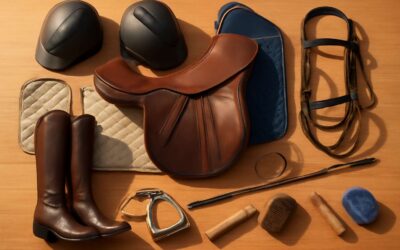
For horse tack barrel racing, basics matter: a lightweight speed saddle, a snug girth, a steady headstall with a calm bit, and a moisture-wicking pad.
- barrel racing saddle with a low horn
- girth that sits evenly without pinching
- headstall and bit chosen for a gentle mouth
- saddle pad that breathes and reduces sweat
- breast collar to keep the saddle in place
- front leg protection for the horse
Choosing a saddle for speed and balance
Speed doesn’t happen by accident; it’s a duet—horse, rider, and gear humming in sync. In South African arenas, a well-chosen saddle can trim tenths off a run, turning ‘close but no cigar’ into ‘nailed it.’ When selecting a saddle for speed and balance in horse tack barrel racing, think light and nimble, fitted just right: a seat that keeps the shoulders free, balanced rigging that doesn’t punish the horse’s spine, and a snug fit that avoids movement on the withers. The goal is harmony, not a fashion show.
To translate this philosophy into gear, look for hallmarks:
- Weight-balanced construction that preserves quick, clean strides
- Rigging positioned to reduce slide and keep the saddle centered
- Breathable, sweat-wicking materials for both rider and horse
- Fit that respects the rider’s leg length and posture
This approach keeps you competitive across SA arenas and makes horse tack barrel racing feel like a well-tuned duet.
Bridle and bit options for quick steering
In South Africa’s arena dust, the right bridle can shave tenths off a run. A veteran rider whispered, “the bit is the horse’s conversation with you—keep it brief, honest, and precise.” This is the nerve center of horse tack barrel racing.
Bridle and bit options for quick steering offer a quiet conduit to speed. I watch for mouthpieces that stay gentle yet responsive and cheekpieces that never bind the jaw.
- Snaffle bridle with a D-ring or eggbutt mouthpiece for light, immediate response
- Short-shank gag or mild curb to elevate steering without harshness
- Flexible mouthpieces (mullen, copper, or sweet iron) to encourage softness and acceptance
Proper headstall fit respects the poll and cheeks, while reins hold a steady line without tugging the balance from the horse. The right bridle and bit fuse into a seamless dialogue that elevates the rider’s presence in the arena.
Safety gear and comfort considerations
Dust swirls in South African arenas, and the first rule of a blistering run is fit, not bravado. A widely shared stat claims eight in ten riders credit safety gear with smoother, safer seconds—a quiet accelerator for confidence when the arena lights blaze. That humility-turned-advantage defines the craft.
Beyond looks, safety gear and comfort govern every stride. A lightweight helmet, a flexible vest, and boots with a solid heel keep nerves calm and legs steady. Breathable fabrics and well-padded cinches reduce heat and hesitation on the dusty track.
- Helmet that fits snugly and passes safety standards
- Boots with secure heels and non-slip tread
- Breathable layers and well-padded panels
In the realm of horse tack barrel racing, comfort and proper maintenance are as crucial as a sharp turn. When gear breathes with the horse and remains deceptively simple, your presence in the arena outshines any flash of color.
Saddle Selection for Barrel Racing
Barrel racing saddles vs standard Western saddles
Speed is king in barrel racing, and the right saddle can shave tenths off a run. In the SA arena, horse tack barrel racing isn’t just gear—it’s strategy, and the saddle is your fastest accelerator.
A barrel-specific saddle prioritises quick turns and precise balance over flash. It sports a forward rig, a shallower seat, and lighter construction so your seat stays planted while your horse rockets from the clock to the corner. By contrast, a standard Western saddle tends toward deeper seats, longer skirts, and a robust horn that can hinder rapid, low-drag work around the barrels.
- Forward-leaning rig and lighter weight boost speed and control
- Shorter skirts reduce interference at the shoulder and flank
- Stability-focused design minimizes bounce on the fast, tight turns
Ultimately, the choice comes down to feel and the rhythm of your horse, a harmony that defines competitive, well-fit tack in South Africa’s riding scene.
Fit and horse comfort: measuring the tree, gullet, and seat
Across South Africa’s competitive arenas, a precise saddle fit can shave tenths off a run. In the world of horse tack barrel racing, the fit of the tree, gullet, and seat dictates not just comfort but tempo and control. The right combination feels almost telepathic, guiding both horse and rider toward a flawless arc!
Tree, gullet, and seat form a triad of fit that shapes speed and balance:
- Tree: the frame that must sit cleanly over the withers and neck without pinching.
- Gullet: width that allows shoulder expansion without creating gaps.
- Seat: depth and contour that lock your balance to your horse’s quick, curved lines.
Finding that harmony demands time in the saddle, with a keen eye for how the horse carries weight and how the seat communicates through the turns. The result is not flash but a rhythm that speaks in speed without sacrificing comfort.
Girths, rigging, and padding options
In South Africa’s arena chorus, speed is a dialogue between horse and harness—one veteran quips that a perfect fit can shave tenths off a run. When we talk horse tack barrel racing, the girth, rigging, and padding choreograph balance, rhythm, and trust.
- Girth options: shaped or straight, length, elasticity
- Rigging styles: three-way or dee rings
- Padding materials: fleece, gel, or wool felt
Girths, rigging, and padding each carry a personality. The way a girth sits, how elastic ends behave, and how the strap lines align with the tree shape the saddle’s quiet poise across a horse’s quick, curved lines.
Bit and Bridle Options for Rapid Turns
Common bit types used in barrel racing
From the first clock-click of a run to the last swirl of dust, the bit can decide the difference between a clean line and a misstep. In barrel racing, a calm mouth and a willing jaw set the pace for every tight turn—this is the art of horse tack barrel racing. Here in South Africa, the right mouthpiece pairs with a quiet rein for precision under pressure.
Common bit types used in barrel racing include:
- Snaffle bits for light, responsive contact
- D-ring and eggbutt snaffles for balanced steering
- Curved gag or Pelham for quick turns
- Bitless or mild Mullen-mouth options for sensitive mouths
Pair these with a well-fitted bridle and the result is a controlled, confident ride through every rapid turn.
Bridle hardware and cheekpieces for control
In horse tack barrel racing, every millisecond counts, and a confident mouth is half the battle. “The bit tells the horse where to go before the legs even know,” a seasoned SA trainer says—an idea that anchors the nervous energy of rapid turns.
Bit and bridle options hinge on well-chosen bridle hardware and cheekpieces for control. The right crownpiece, browband, and throatlatch set the frame for precise rein cues without pinching or fuss. Cheekpiece design influences lateral communication and jaw relaxation under pressure.
- Cheekpieces that reduce slack and help even rein pressure
- Curved crowns for cleaner alignment through tight corners, a staple of horse tack barrel racing
- Adjustable throatlatches to curb head toss during a sprint
In South Africa, riders weave these details into a seamless toolkit for horse tack barrel racing, where control and calm combine for the fastest lines.
Mouthpiece sizing and horse comfort
Across South Africa’s arenas, the clock punishes hesitation and rewards precision. In horse tack barrel racing, every millisecond counts, and mouthpiece sizing can turn nerves into quiet confidence. ‘The bit tells the horse where to go before the legs even know,’ a maxim that anchors the nervous energy of rapid turns.
Bit and bridle options hinge on mouthpiece sizing that respects jaw comfort. When the mouthpiece sits correctly, rein cues become crisp without pinching or creating tension, even through the sharpest corners.
- Mouthpiece width and thickness for even pressure
- Port height and curve to balance tongue and jaw
In this artful toolkit, the rider forges a calm, strong frame under the bright SA lights, where speed and steadiness walk a fine line.
Headstall, noseband, and throat latch setups
In South Africa’s arena lights, a 0.6-second edge isn’t luck—it’s the result of tack that listens. In horse tack barrel racing, the headstall, noseband, and throat latch set the tempo before the clock starts, turning jitters into a measured, confident stride.
Choose headstalls that stay quiet in the wind-up, nosebands that respect the jaw, and throat latches that bite just enough to hold without choking.
- Headstall options: low-profile, split-ear designs that reduce bulk at rein points.
- Noseband types: figure-eight or cavesson that free the tongue and allow even pressure.
- Throat latch setups: adjustable, snug-fitting latches to prevent bridle creep in rapid turns.
With these choices, the horse moves with listening grace, and the rider savors the precision of horse tack barrel racing under the SA lights.
Tack maintenance tips for bridle longevity
That split-second pause before the barrel hits its mark? It’s the bit and bridle listening back. In horse tack barrel racing, the right mouthpiece and cheek design tune the horse’s response to the fastest turns without yanking. For rapid turns, choose a bit that offers quiet, predictable pressure and bridle cheekpieces that stay put. The goal? A setup that whispers, keeping your horse balanced as you ride the edge of the clock.
- Quiet mouthpieces that free the tongue and distribute pressure
- Sturdy cheekpieces to prevent bridle creep
- Hardware that resists rust and stays secure
Maintenance keeps that whisper alive. Regular cleaning, mindful storage, and timely leather conditioning protect the bridle from creases and wear. When the gear looks settled, the tempo stays honest under the SA lights.
Protective Gear and Rider Safety in Barrel Racing
Protective vests, helmets, and safety standards
Protective gear is the quiet partner to velocity in horse tack barrel racing. A rider’s safety wardrobe—helmet, protective vest, and gear that meets current safety standards—lets horse and rider move as one, even as arena lights scatter like dust and the crowd holds its breath. The right equipment is more than a flourish; it’s grace under pressure, the margin that turns a potential tumble into a remembered, shining ride!
- helmet meeting current safety standards (ASTM/SEI)
- protective vest with proper sizing
- well-fitted shoulders and chest for mobility
- secure chin strap and waist retention
From Cape Town to the Highveld, this sport—horse tack barrel racing—speaks of resilience and grace. In South Africa, safety and style ride together in the arena.
Leg protection and boot choices
In the arena’s glare and dust, leg protection is the quiet ally of horse tack barrel racing. South African riders favor fast-drying polo wraps and sturdy fetlock boots that cradle the cannon bone while letting the ankle and knee flex freely. A properly sized wrap or boot holds firmly without constriction, translating raw speed into controlled grace when the horse hits the barrel turns.
Choose protection that fits like a well-made saddle: comfortable, secure, easy to inspect between runs. Options to consider for leg protection and boot choices that align with safety and speed:
- Polo wraps with careful technique for adjustable support
- Fetlock or cannon bone boots with padded protection
- Front bell boots to prevent overreach
- Neoprene gaiters for dusty arena conditions
Together, they keep the rhythm intact and the ride memorable!
Rider gear for grip and balance
In the glare and dust of a South African arena, grip and balance are the quiet disciplines behind every barrel turn. A telling stat from local coaches—70% of riders report steadier rhythm when protective gear is properly fitted—proves you can’t rush safety. This is horse tack barrel racing at its edge, where every knot, strap, and shield carries meaning.
- Snug helmet that stays clear of your line of sight
- Breathable protective vest cushions the core
- Gloves with a grippy palm keep the reins responsive
- Sturdy boots with a defined heel anchor balance
Grip and balance flourish when gear remains almost invisible—freeing the rider to read the horse and respond with timing rather than brute effort. In the arena’s rhythm, rider safety becomes a narrative of trust and discipline, shaped by the gear you choose.
Arena setup and tack checks for safety
Bright South African sun, grit and dust sharpen focus in the arena! Protective gear isn’t decoration—it’s safety. A local stat shows 70% of riders ride with steadier rhythm when gear fits snugly. Arena setup and tack checks quietly shape each turn, letting the horse carry speed with balance rather than fight the equipment.
- Footing and visibility: even sand, glare managed
- Gear integrity: straps and buckles stay secure
- Safety alignment: headgear and boots fit naturally
In the arena’s rhythm, safety becomes trust and discipline. When gear sits right, riders read the horse and time cues with precision. The run remains clean and controlled, a quiet victory of discipline over brute force. This is horse tack barrel racing.
Maintenance, Fit Checks, and On-the-Go Gear Care
Daily tack inspection checklist
Maintenance is more than polish; in horse tack barrel racing it’s a quiet timer-tap trick that prevents breakdowns. Inspect stitching, worn billets, and rust on buckles; replace frayed straps before they fail.
Fit checks hinge on the tree, gullet, and seat alignment to keep the horse balanced at speed. Look for even pressure, check billets and cinch alignment, and ride with gentle hands to sense any shifts.
On-the-go gear care daily tack inspection checklist:
- Check stitching and leather condition, hardware wear, and seams.
- Verify buckles, rings, grommets, and fasteners for smooth operation.
- Clean and wipe down surfaces; remove sweat, grit, and moisture.
- Confirm secure fit and adjust girth as needed before riding.
Cleaning and conditioning leather tack
‘Condition is control,’ a maxim whispered in South African stables before a hot run. In horse tack barrel racing, maintenance isn’t vanity—it’s performance; supple leather and sound hardware translate to steadier contact and fewer mid-race glitches. The rider’s edge is built in the quiet hours, where preparation shapes the moment of truth.
Fit checks hinge on the tree, gullet, and seat alignment to keep the horse balanced at speed. Look for even pressure across the cinch and billets, and ride with soft hands to sense any shifts that could unsettle the horse mid-run.
On-the-go gear care: cleaning and conditioning leather tack is part of daily rhythm on dusty SA routes. After sessions, surfaces are wiped, moisture is removed, and a light conditioner preserves suppleness and tone.
- Surface cleanliness, patina, and signs of wear
- Hardware integrity: rust, fit, and smooth operation
- Storage considerations: breathable covers and shade to minimize sun exposure
Storage and transport tips for barrel racing gear
Maintenance in horse tack barrel racing is not vanity but vigilance; a well-kept strap translates to trust in the horse and steadier contact in the gate. Clean with purpose, condition with restraint, and listen for the whisper of dry leather cracking under pressure.
Fit checks are a dialogue between the tree, gullet, and seat, where even pressure across cinch and billets keeps balance at speed. A soft palm reads the horse’s whisper; any shift in alignment can derail a run.
- Inspect the tree and gullet for cracks or misalignment
- Check billets and cinch with even tension
- Verify seat position stays square under rider weight
On-the-go gear care and storage travel beside us on dusty SA routes. After sessions, wipe surfaces, draw moisture away, and apply a light conditioner to preserve pliancy. Transport tips—store in breathable covers, shaded, and secured so hardware stays quiet in transit.
Seasonal tack adjustments and replacement cues
In SA arenas, gear neglect is a speed tax—one in five gear faults trace to dry leather or worn stitching. Maintenance isn’t vanity; it’s a performance lever for horse tack barrel racing, translating to steadier contact in the gate. A well-kept strap signals trust between horse and rider.
Fit checks are a dialogue among the tree, gullet, and seat, aiming for even pressure across cinch and billets.
- Inspect the tree and gullet for cracks or misalignment.
- Ensure cinch and billets share even tension.
- Keep the seat square under rider weight.
A soft palm reads the horse’s whisper; small shifts derail a run.
On-the-go gear care travels with riders along dusty SA routes, where sun and sweat test leather’s resilience. Seasonal tack adjustments and replacement cues accompany changing weather in horse tack barrel racing, balancing padding, leather, and fit. Storage considerations favour shade and breathable covers to quiet hardware in transit.



0 Comments