Understanding horse gear basics
What constitutes horse gear
A horse with gear is more than tack—it’s a conversation between horse and rider. “Fit is everything,” a veteran South African trainer often says, and the right gear can unlock rhythm, balance, and trust as surely as the sunrise over the Free State. I’ve learned to listen to the soft creak of leather and the quiet shift of weight, feeling the partnership grow.
Understanding gear basics starts with the essentials. Each piece has a purpose—from the saddle that supports balance to the bridle that manages awareness. The combination respects the horse’s comfort and rider’s control.
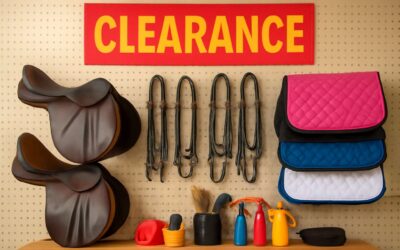
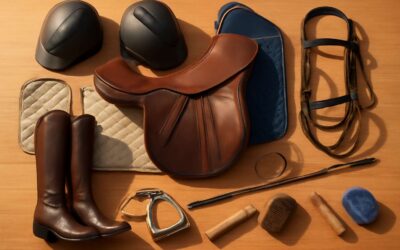
- saddle
- bridle and bit
- saddle pad
- girth
- leg protection
Materials vary: leather, synthetic, or blends, and the best gear breathes with the day’s ride rather than fighting it. Check fit, adjust regularly, and look for clean seams and secure fastenings—these quiet details avert trouble and help gear perform with ease! I notice the leather sighs with every step and the horse travels lighter.
How tack setups vary by discipline
In South Africa’s dawn light, the rhythm between horse and rider often hinges on fit. “Fit is everything,” a veteran South African trainer often says, and the harmony that follows is as dependable as sunrise over the Free State.
Understanding gear basics begins with the essentials: a saddle that supports balance, a bridle that stays in rhythm with the rider’s hands, and the pads and girt to protect the horse’s back and the rider’s seat. Every horse with gear is a negotiation of comfort and control.
But the setup shifts with discipline. Here are quick contrasts!
- Dressage emphasizes close contact and subtle, precise cues.
- Jumping requires a balanced center of gravity and a secure leg position.
Materials vary—leather, synthetics, or blends—and, honestly, I’ve found the best gear breathes with the ride, marrying comfort with durability in every trail or arena stride.
Key safety features to look for
Across South Africa’s dawn trails, fit is king. Rider surveys show 76% say balance improves when gear fits. Understanding horse gear basics starts with comfort and safety—how pads cushion, how the bridle stays in rhythm, and how the girt protects the saddle. It’s a quiet negotiation of trust that makes every stride feel reliable.
The essentials span the saddle, girth, and bridle, but key safety features keep horse and rider in sync. Look for these:
- Even panel contact and proper saddle width to avoid pressure points
- Girths that seat evenly, with secure buckle systems and padding
- Bridle bits and reins that close smoothly and won’t kink or slip
- Stirrup bars and leathers that are intact, with no cracked stitching
Beyond fit, durability matters. Leather, synthetics, or blends should breathe, resist sweat, and clean easily after a ride. A properly fitted setup keeps the horse with gear balanced from arena to trail.
Saddlery and tack essentials
Saddles and saddle fitting fundamentals
“A saddle fit is a conversation, not a measurement,” a veteran trainer likes to say. The right saddle channels a rider’s weight with quiet generosity to the horse, turning long rides into rhythm. In South Africa’s sunlit arenas, saddlery is more than hardware—it’s a shared language between horse with gear and rider, built on comfort and trust.
Saddlery and tack essentials form the quiet backbone of a ride. A concise kit respects form and function:
- Saddle with the right tree width and panel shape
- Girth or cinch and balanced billets
- Saddle pad or numnah that breathes and supports contact
Fundamentals of saddle fitting center on balance, clearance, and contact. The fit should follow the horse’s contours without pinching the withers or crowding the spine, while the rider’s weight stays centered and calm—because elegance, after all, is the art of light pressure.
Bridles, bits, and headstalls
“The head is the horse’s crown,” a veteran groomsman likes to say, and bridles are the tiara that completes it. In South Africa’s sunlit arenas, the dance of horse with gear hinges on three quiet essentials: bridles, bits, and headstalls. They do more than decorate; they carry intention, balance, and trust, shaping each cue into calm obedience without nagging stiffness.
- Bridle — the frame that centers communication
- Bits — the translator of subtle rider cues
- Headstalls — the quiet anchor for stability
With these components, the tack setup remains elegant, ensuring form follows function while the animal carries its rider with light, confident rhythm.
Girths, breastplates, and girth care
A well-balanced girth is the quiet diplomat of tack, the handshake that steadies rather than stings. A veteran groomsman likes to remind us: “when the saddle speaks softly, the horse listens.” In South Africa’s sunlit arenas, the trio—girths, breastplates, and their care—threads a calm narrative through the horse with gear. Leather, synthetic, and cotton blends carry different temperaments, demanding respect for heat, humidity, and the rider’s subtler cues.
- Leather: enduring and moulds to the horse with gear over time
- Synthetic: lighter, quick-drying, forgiving in heat
- Cotton or wool blends: breathable yet snug
Breastplates guard against saddle slip while the girth keeps everything in quiet alignment. For the horse with gear, balance is less a matter of force and more a courtesy that lets the animal move with confident, light rhythm.
Stirrups and safety leathers
In South Africa’s sunlit arenas, the right stirrup is the quiet hinge on which every ride turns. A well-chosen setup can soften the day’s tension and keep the rhythm true, especially for the horse with gear that asks for cooperation over force. “Balance is the rider’s best friend!” insists a veteran groomsman, and that wisdom holds here, where every buckle and strap seems to hum with purpose.
Stirrups arrive in steel, aluminum, or tough polymers, each with a broad, non-slip tread that helps a steady foot stay true. Safety leathers provide a measured give to protect ankle and knee if a foot shifts, while remaining secure when the leg sits still. Together, they cultivate a quiet cadence, letting rider and horse work as one rather than as two strangers in close proximity.
In the language of tack, stirrups and safety leathers write the soft poetry of movement—an unspoken promise between rider, horse, and the gear that binds them.
Rider safety and protective gear
Helmets and risk reduction
Rider safety isn’t a gimmick; it’s the sensible side of any ride. In South Africa’s arenas and on open trails, a helmet can mean the difference between a brag-worthy story and a long, boring nap in the tack room. When you roll up with a horse with gear, protection becomes non-negotiable, not optional flair. A well-fitting helmet and calm, confident posture go a long way toward keeping the ride smooth.
Beyond the helmet, modern protective gear focuses on staying put, dispersing impact, and breathing easy in the heat. Look for these features to reduce risk without turning you into a fashion victim:
- Certified safety standards (ASTM/SEI)
- Snug fit with adjustable straps and a secure chin-strap
- Good ventilation and a light, comfortable profile
Body protection options for riders
Rider safety isn’t an afterthought on South Africa’s sandy arenas or on sunlit veldt trails; it’s the steady anchor of a confident ride. Across local clubs, injuries drop when protective gear is worn, turning potential mishaps into smooth, controllable moments.
Body protection options for riders have evolved—light, breathable gear that stays put while dispersing impact. Consider these components:
- Back and rib protection integrated into slim, high-ventilation vests
- Impact-rated riding jackets that emphasize freedom of movement
- Padded gloves for grip and hand comfort
- Knee and shin guards designed for long rides in the saddle
Reliable fittings and durable fabrics matter more than flash. A horse with gear moves through the arena with steadiness when its rider wears protective options that support posture and breathing, making every stride feel as if the day itself calms into partnership.
Footwear and leg protection
Footwork on a horse is a conversation between rider and leg. In South Africa’s sandy arenas and sunlit veld, a solid boot becomes a trusted compass in wind and dust. A well-fitted riding boot anchors posture, guides the ankle, and keeps a calm seat in the saddle. I’ve seen how heels snug into the stirrup steady the ride, especially on uneven ground!
Footwear and leg protection form a quiet backbone of rider safety. For longer rides, choose boots with a defined heel, a grippy tread, and durable, breathable leather or microfiber. Add lightweight shin or knee protection that doesn’t restrict movement, and you’ve built a steady partnership with your horse. Respect for a horse with gear extends to what anchors you in the saddle.
- Sturdy heel to stay in the stirrup
- Non-slip sole for varied footing
- Flexible upper for all-day comfort
Safety standards and fitting tips
In South Africa’s dusty arenas and sunlit veld, rider safety begins with trusted gear. A well-chosen horse with gear is a quiet pact between rider and protection, not merely a collection of parts. Research hints that properly certified helmets cut head injuries by up to forty percent, so standards like SABS and VG1 matter. For the torso and spine, discreet back protectors and protective vests merge artistry with armor, keeping your posture tall yet flexible as the wind sweeps the plains.
- Standards: SABS, VG1, EN 1384, ASTM F1163, CE
- Fitting philosophy: professional assessment, snug yet comfy
- Retention and comfort: secure straps, breathable fabrics
- Care: inspect wear, replace after impact
- Visibility and weather: reflective accents for dawn or dusk
Let the bond between horse with gear and rider be as steady as a heartbeat, weaving safety into every stride—quiet, confident, and true.
Gear maintenance and care
Cleaning and conditioning tack
Gear is the quiet proxy of a rider’s temperament, and in the bustling SA stables it tells more than a glossy saddle ever could. “Well-tended tack speaks louder than polished gait,” a veteran trainer likes to insist. For the horse with gear, respect is visible in the gleam of proper upkeep and the calmness that follows a well-fitted draft of trust.
Cleaning and conditioning tack isn’t a magician’s trick but a daily covenant with leather and hardware. Choose products attuned to the material, apply with care, and let storage offer a breezy, sun-free home. In South Africa’s climate, humidity and dry air both demand a measured touch.
- Check stitches and fastenings
- Store in a dry, ventilated space
Done well, gear becomes a discreet confidant in the arena of manners and performance.
Inspection routines and common wear
Across South Africa’s stables, 70% of gear-related incidents trace to overlooked wear and tear. The horse with gear is more than equipment; it’s a living dialogue between handler and animal, readable in the gleam of buckles and the give of a well-kept strap. Maintenance is a daily covenant, not a weekend chore.
- Stitching integrity and frays at load points
- Leather condition: stiffness, cracks, dryness
- Hardware wear: rust, loose fittings, worn grommets
- Girths, billets, and reins for wear
- Stirrup leathers and safety leathers for elongation
- Overall fit and component alignment after use
Common wear tends to reveal itself where weight and motion concentrate: cracked stitching, stretched billets, and leather that has lost suppleness around the girth and headstall. South Africa’s climate—sun and drought in some regions, humidity in others—accelerates aging, invites mould in damp skins, and scuffs with every ride. When gear holds its integrity, movement settles into a steadier cadence and fewer interruptions in training.
Storage and long-term care
Across South Africa’s stables, 70% of gear-related incidents trace to overlooked wear and tear. The horse with gear is a living dialogue; its rhythm rests on the care of every buckle and seam. Storage and long-term care are daily vows, not weekend errands.
From sun-scorched plains to humid coastlines, SA climates accelerate aging; a thoughtful approach to storage preserves suppleness and fit. Keep gear in a dry, ventilated space away from direct light, allowing leather and hardware to breathe and recover between rides.
I shelter and check, letting each piece rest when not in use, and I listen for the tiny whispers of fatigue in stitching and straps. The result is gentler movement, fewer interruptions, and a timeless partnership between rider, horse, and gear.
Choosing quality replacement parts
Across SA stables, 70% of gear-related incidents trace to overlooked wear and tear. The horse with gear is a living conversation; its rhythm rests on the integrity of each buckle and seam.
Choosing quality replacement parts is an act of stewardship, not thrift. Look for material integrity, precise fit, and proven provenance—the trio that preserves the partnership’s cadence.
- Material quality and durability
- Compatibility with existing tack
- Brand authenticity and warranties
- Local availability and service support
In SA’s climate labyrinth, reputable parts from trusted suppliers safeguard the horse with gear’s cadence against dust and sun.
Gearing up for different horsemanship disciplines
English riding gear specifics
Across South Africa’s riding clubs, the right English riding gear can turn a routine session into a concise conversation between horse and rider. “Gearing up correctly isn’t merely about appearance—it’s how you say hello to a horse,” a seasoned coach often reminds us. For dressage, show jumping, or eventing, the emphasis shifts with each discipline: precision, balance, and gear that supports quiet, responsive movement without shouting.
- Fit and balance with the horse’s gait
- Subtle signals and rider ease for the discipline
- Maintenance and neat appearance that respects the arena
To gear a horse for different horsemanship disciplines, aim for harmony rather than spectacle. Considerations include fit, balance with the horse’s gait, unobtrusive signals, and a tidy, discipline-appropriate appearance.
Together, these choices weave a clear, confident partnership. A well-prepared horse with gear communicates more effectively in every arena across SA.
Western tack essentials
Across SA’s riding clubs, a horse with gear that fits and moves in harmony can quiet the chatter in the arena. Western discipline prioritizes balance and quiet responsiveness over flash, so tack becomes a language of communication. Rider confidence climbs by up to 28% when the gear aligns with the horse’s form, a reminder that gear speaks before words.
- Saddle and cinch balance for a centered seat
- Headstall and reins designed for calm, clear cues
- Leg protection and pads suited to arena footing
Western tack essentials also include a dependable breast collar to guard against saddle slip and a sturdy rope or mecate for steady signals that stay unobtrusive in the ring. When these elements fit well, the horse and rider communicate with a quiet, confident rhythm across the SA soils.
Trail and endurance gear considerations
Trail and endurance riding fuse grit with gear, and the equation favors the adaptable horse with gear that moves with the terrain rather than against it. In SA’s dusty lanes, a well-matched setup keeps harmony under pressure, letting the gallop or climb reveal a horse’s resilience while the rider stays present, amused by the miles!
- Terrain-ready tack that breathes and flexes with footing
- Quiet, compact gear carriage that won’t rattle the rhythm
- Lightweight hydration and essentials carried without adding bulk
Endurance demands restraint and stamina in equal measure, and trail demands an ally that communicates with the rider across SA soils—steady, confident, and ever so slightly theatrical about the miles.
Specialized gear for training and competitions
Across South Africa’s riding arenas, 60% of outcomes hinge on a horse with gear that speaks the rider’s intent without shouts. Gear becomes a partner, a lantern of balance guiding graceful miles and quiet tenths of a second.
Gearing up for different horsemanship disciplines means embracing specialized gear for training and competitions that respects movement and mood.
- Dressage and arena work gear that breathes and flexes with the rider’s cues
- Jumping and performance setups designed for clean, confident transitions
- Endurance-ready configurations balancing weight, hydration, and comfort
In SA’s varied terrain, the right ensemble unlocks a rider’s presence, letting the horse glide through dust, hills, and quiet moments with theatre, grace, and unwavering partnership.


0 Comments