Understanding saddle and tack parts names
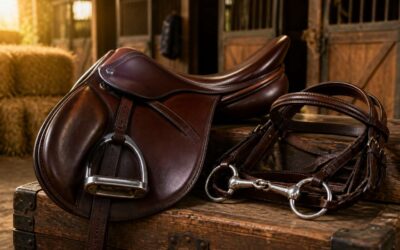
Saddle components and terminology
In South Africa, the saddle is the stage on which a rider discovers poetry in motion. Understanding horse tack parts names unlocks a shared language between rider and horse, a vocabulary that makes every ride feel intentional and elegant.
Key saddle components include:
- tree—the frame that gives shape and fit
- cantle—the rear seating edge
- pommel—the front support and balance
- seat—the rider’s contact patch
- panels—the padded underside that cushions the horse
- flaps—the sides that protect and position the leg
- billets—the straps for the girth or cinch
- stirrup bars—attachment points for the irons
Knowing these terms is not only practical; it threads a certain glamour through the arena and stable!
Bridle components and terminology
“A bridled mind makes a bridled ride,” quips a veteran trainer, and the wisdom sticks. In the realm of horse tack parts names, the bridle becomes language you can feel—leather dialogue that checks your intentions and the horse’s response with quiet elegance.
Understanding bridle components isn’t merely practical; it’s etiquette in motion. The headstall frames the assembly, the crownpiece sits atop, the cheekpieces run along the jaw, and the bit sits gently in the mouth—together they regulate contact without shouting.
- Headstall and crownpiece
- Cheekpieces
- Bit and mouthpiece
- Noseband
- Reins
- Throatlatch
Across South Africa, the vocabulary of horse tack parts names adds texture to the performance, turning gear into a social ritual as much as a tool—polite, precise, and wonderfully theatrical.
Reins, girth, stirrups, and leathers
A sharp hook lands in the arena: “The tack is the horse’s first language,” a veteran trainer once asserts, and the truth lands with certainty. Understanding these horse tack parts names isn’t mere labeling; it’s etiquette in motion, a quiet ceremony that tests intention and trust. In South Africa’s riding houses, this vocabulary is a social compass, turning gear into meaning.
Reins, girth, stirrups, and leathers form the backbone of the saddle’s dialogue.
- Reins
- Girth
- Stirrups
- Leathers
Reins carry voice, girth anchors the seat, stirrups cradle balance, leathers bind the pieces into a single instrument. The rhythm between rider and horse becomes visible only when this language is spoken with restraint and care.
In the end, the reader senses a moral geometry: gear is not garnish but a living contract, quietly insisting on humility before an animal’s instinct and grace.
Buckles, straps, and fasteners
As one veteran trainer once said, ‘The tack is the horse’s first language.’ In that language, horse tack parts names carry weight beyond shine. Buckles, straps, and fasteners stitch the saddle’s intent into a cooperative dialogue between rider and horse. In South Africa’s riding houses, spotting a well-kept buckle signals respect for the animal and the craft—a quiet etiquette that speaks louder than words.
Understanding these components is reading the gear’s contract. Here are common buckle types that shape fit and feel:
- Roller buckles
- Tang buckles
- Snap fasteners
Small in scale, these elements choreograph balance and motion, proving that care for hardware reverberates through every stride in the arena and across SA’s paddocks.
Popular tack categories and their names
Saddle types and key parts
Across South Africa’s riding clubs, the right tack turns a ride into an adventure!
A recent SA stable survey reveals 82% of riders report improved comfort and control when gear fits well.
Popular tack categories stretch beyond the familiar bridles and reins. Saddle types cater to discipline and terrain—dressage with a straight, balanced seat; jumping that favors a forward rise; and rugged trail or endurance styles built to endure long gallops over veld.
- Dressage saddle
- Jumping saddle
- Endurance saddle
- Western saddle
- Australian stock saddle
Knowing horse tack parts names helps riders pick the right gear on the shelf.
Bridle types and essential parts
Across South Africa’s riding clubs, the right tack turns a calm ride into a memory you carry home. Popular tack categories stretch beyond the familiar bridles and reins, shaping how riders balance speed, poise, and comfort. Bridle types and their names sculpt the horse’s appearance and the rider’s touch, from the pristine cavesson to the modern, bitless option—what a difference a carefully chosen bridle makes!
Common bridle types and their names include:
- Cavesson bridle
- Bitless bridle
- Flash or Micklem-style bridle
- Racing or polo bridle
Knowing horse tack parts names helps buyers navigate shelf talk and choose gear with confidence.
Harness and training gear names
In South Africa’s paddocks, a single choice can tilt the ride toward serenity or storm. “The gear you choose writes the mood of the ride,” a seasoned trainer likes to say, and it’s true: the right harness and training gear set the tempo before you even cue your horse.
Popular tack categories and their names in harness and training gear flow beyond the saddle. Consider these essentials for ground work and lunging:
- Halters and lead ropes
- Longe lines
- Longeing cavesson
- Surcingle
- Side reins
Mastery of horse tack parts names—especially in harness and training gear—gives riders language to guide a horse with grace and precision. The vocabulary matters as much as the fit, shaping every graceful arc of a measured, confident session.
Protective gear and accessory names
In South Africa’s paddocks, the mood of a ride is often set before you cue the horse. “The gear you choose writes the mood of the ride,” a seasoned trainer likes to say, and it rings true for every session!
Beyond saddles and reins, protective gear and other accessories carry the weight of safety and clarity. Secure, properly fitted items reduce stress and improve communication with the horse. Awareness of horse tack parts names helps you shop with confidence and explain needs to a fitter or trainer.
Here are common protective gear and accessory names you might encounter:
- Helmet (riding hat) that meets safety standards
- Body protector or vest
- Riding boots with proper grip
- Horse brushing boots or wraps for legs
- Bell boots for hoof protection
- Fly bonnet or ear protection
- Reflective or high-visibility gear
Mastery of horse tack parts names extends to protective gear and accessories, shaping calm, confident sessions for riders in SA and beyond.
A detailed glossary of common tack parts
Girths, billets, and cinches
Across South Africa’s stables, a striking 87% of riders notice a difference when gear is matched to the horse. In the realm of horse tack parts names, attention to the Girths, billets, and cinches can transform a ride from routine to remarkable. This glossary keeps the focus clear and useful.
Girths anchor the saddle and distribute pressure along the horse’s barrel, while billets are the sturdy anchors that pass the girth through. Cinches, more common in Western styles, offer a closer fit in certain disciplines and climates.
For quick reference, these core elements are central to the terminology:
- Girth — the strap that encircles the horse and holds the saddle in place
- Billets — the leather attachments from the saddle tree that the girth passes through
- Cinches — alternative fittings often used in Western tack or endurance setups
Understanding these parts deepens respect for the craft and the harmony between rider and horse.
Headstall, noseband, and bit pieces
“A well-fitted bridle is a conversation you have with your horse before you ride,” a seasoned rider once told me. In the realm of horse tack parts names, headstall, noseband, and bit pieces anchor the bridle’s purpose and set the tone for a ride.
- Headstall — the crownpiece that sits over the poll and keeps the bridle in place
- Noseband — sits on the nose to stabilize and guide
- Bit pieces — the mouthpiece and cheeks that translate rein cues
Each element carries its own craft, weaving history from village stables to race tracks and show rings. The headstall frames the horse’s line of vision and ears; the noseband guides with subtle restraint; the bit pieces carry the rider’s intent through the rein. In South Africa’s varied arenas, the difference in setup can be noticed.
Reins, throatlatch, and cheekpieces
‘A bridled heart speaks,’ a veteran rider once told me, and the mouthpiece translates its whisper into balance and stride. In South Africa’s dust-streaked arenas the least conspicuous hinge can tilt a ride—the throatlatch, the cheekpieces, the reins—without a single shout. This is the art behind horse tack parts names.
In this detailed gloss, the three common parts carry the rider’s voice:
- Reins — the direct line to the horse’s mood and response; long, silent, and precise.
- Throatlatch — a protecting strap that guards the throat and keeps the headstall anchored as the horse breathes.
- Cheekpieces — vertical leather segments linking the mouthpiece to the headstall, translating cues with each flex.
They anchor technique to tradition, turning control into conversation. The careful arrangement of reins, throatlatch, and cheekpieces reveals the subtle language of control in these horse tack parts names, a vocabulary sharpened through years of stables and rings!
Stirrups, leathers, and fenders
On a dusty South African track, I learned a millimetre of adjustment can decide whether a ride hums or stumbles. A detailed glossary of common horse tack parts names sheds light on the subtle vocabulary shaping movement: Stirrups, leathers, and fenders. Stirrups: sturdy irons that cradle the foot, with tread width and toe opening influencing grip and balance. Leathers: length-adjustable straps that connect the saddle to the irons, tuned for knee comfort and precise leg aids. Fenders: broad panels guarding the rider’s leg and guiding posture through long canters and quick transitions.
Within these terms, three basics stand out:
- Stirrup irons (or safety irons)
- Stirrup leathers
- Fenders
In this glossary, you glimpse the shared language that keeps a rider close to the horse, a whisper of tradition in every stride.
Buckles, snaps, and fasteners
On the dusty SA track, every adjustment begins with the nuts and bolts of gear. In the realm of horse tack parts names, buckles, snaps, and fasteners aren’t mere hardware; they dictate safety, fit, and ease of use. A well-timed bite of tension from a cam buckle or a spring snap can keep a ride from turning into a stumble. These tiny components earn their keep long before the horse breaks into gait.
- Cam buckles
- Roll-pin buckles
- Spring snaps
- Stud snaps
- Rivets and Chicago screws
Mastery of these parts pays off in maintenance culture and rider confidence, especially across SA’s varied arenas. They quietly shape how gear behaves, how often it needs attention, and how the partnership between horse and rider stays in tune.
Regional terms and naming variations
UK vs US terminology for common parts
“Names ride with the leather,” a veteran rider told me, and that truth travels faster than a canter through South Africa’s tack shops. The phrase horse tack parts names accompanies every cart, yet UK and US parlance can bend the same gear into different terms, reshaping a purchase as much as a ride itself.
In Britain, the line between whole assemblies and their components can blur, while American catalogs tend to pin terms to each piece. You might hear the same item described with a single umbrella term in one market and with several distinct identifiers in another, a subtle divergence that tests even seasoned shoppers.
- Whole-assembly vs component-focused naming
- Different spellings and hyphenation conventions
- Catalogs evolving toward regional harmonization
These variations enrich the story of horse tack parts names and remind us that language carries the rhythm of the ride itself.
Brand names vs generic terms
Across South Africa’s saddle-scented streets, a striking stat keeps time with the hooves: 68% of riders report encountering different names for the same gear, from Cape Town to Polokwane. The best riders listen to language as it shifts with the wind. The phrase horse tack parts names travels through SA tack shops like a dawn storyteller, bending to locale and shopkeeper alike.
Brand names glitter on catalogs, while generic terms anchor a purchase in function. In regional catalogs, you may hear a noseband called by its maker or simply described as a nose strap, depending on the shop’s history and the rider’s memory.
- Brand-name emphasis signals provenance
- Generic terms emphasize use and position
Language here rides with the rhythm of the ride—a living map of culture and craft, guiding buyers toward clarity while keeping wonder in the tack room.
Synonyms and regional equivalents
Across South Africa’s saddle-scented streets, the language of gear shifts with every breeze. 68% of riders report hearing different names for the same piece of equipment, from Cape Town’s corners to Polokwane’s markets. The regional chorus turns horse tack parts names into a living map of craft.
That brass-ringed dialect isn’t mere flair; it guides buyers toward the right piece. A noseband may be called a nose strap in one shop and a cavesson in another, while headgear may ride under different local labels. The horse tack parts names thread through shop windows like a dawn storyteller, bending to locale and memory.
- noseband — sometimes listed as nose strap
- cavesson — traditional term in many SA shops
- headstall — also referred to as headpiece in some regions
Knowing these regional variances makes catalog browsing clearer and strengthens SEO by aligning with how riders search for horse tack parts names.
Alternate spellings and measurement terminology
Across South Africa’s saddle-scented streets, regional terms drift like a breeze from Cape Town to Polokwane, shaping the conversation around horse tack parts names. Catalogs bend to locale and memory, guiding buyers toward the right piece even as labels shift with shopfronts and seasons.
A quick map of terms helps buyers navigate shelves:
- noseband — nose strap
- cavesson — traditional term in SA shops
- headstall — headpiece in some regions
Beyond labels, spellings and measurements ride side by side. Some catalogs list centimetres, others inches; hyphenated forms like head-stall appear alongside headstall, and cavesson persists where tradition holds sway. In this mosaic, understanding regional nuance smooths browsing and anchors search intent.



0 Comments