
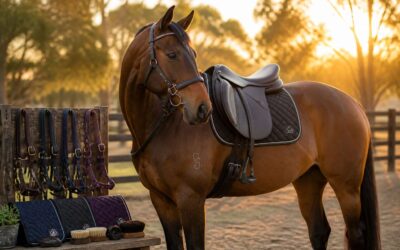
When you go to a horse farm, you will often see horses with various straps and harnesses called tack. These pieces of equipment help a rider communicate with his or her horse and ensure both are safe and comfortable while working together.
While some horse tack items are common across all riding disciplines, other tack and equipment is specific to particular events or types of riding. This is why it’s important to understand the difference between tack and equipment, especially if you plan to compete in a specific discipline.
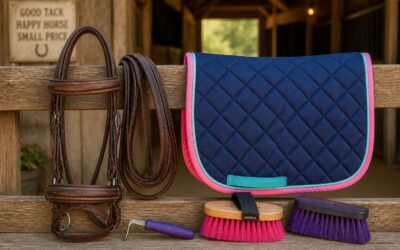
Bridles and halters, for example, are crafted from leather, which is appreciated by many riders because of its natural beauty, rich color, texture and fine stitch detail. However, leather tack requires regular care and maintenance to keep it looking good and functioning properly.
There are also synthetic alternatives to leather that are durable and stylish. Synthetic tack is available at all price points and can be made of materials that provide superior impact absorption, comfort and ventilation.
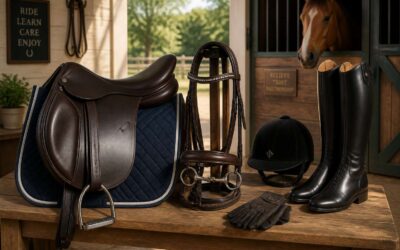
The most commonly used tack is the saddle and bridle. The saddle holds the rider in place and provides support for the back, legs and neck of the horse. Saddles come in a variety of styles to suit different needs and preferences.
Other pieces of tack include stirrup irons, cinches and bits, which are designed to help a rider hold the saddle securely on the horse. These can be made from manmade or natural materials and can be crafted from leather, rubber, nylon, foam, polyester or other material.
Girths, which wrap around a horse’s rib cage and behind its shoulders, are another essential piece of tack for riding. These can be found in a range of styles, from basic to more elaborate and are typically sized based on the size of the horse and rider. They can also be shaped to fit a horse’s body.
Protective legwear is another common type of tack that prevents injury to the horse’s lower legs and allows the horse to remain stress-free. These can be in the form of polo wraps, tendon boots or brushing boots.
These leg wraps can be worn over the horse’s legs to protect them from tripping or falling and can be trimmed with rubber or a metal blade, depending on your preferences. They are less expensive than sport boots and usually run $15 to $100.
Tack and equipment should be cleaned after use to avoid the spread of bacteria, fungi, viruses or any other contaminant. Dirty or damaged tack can cause problems with the horse’s mouth or even cause it to slip off the saddle.
If you’re new to riding, it’s best to consult a knowledgeable horse expert before making purchases. They will be able to advise you on the proper sizing of your horse and the best options for your needs.
The right tack can make all the difference in your experience as a horse owner and help you keep your horse safe. The tack and equipment you select will have to fit the horse and the rider, so take your time selecting it.

0 Comments